
Tree Life Pest Notes
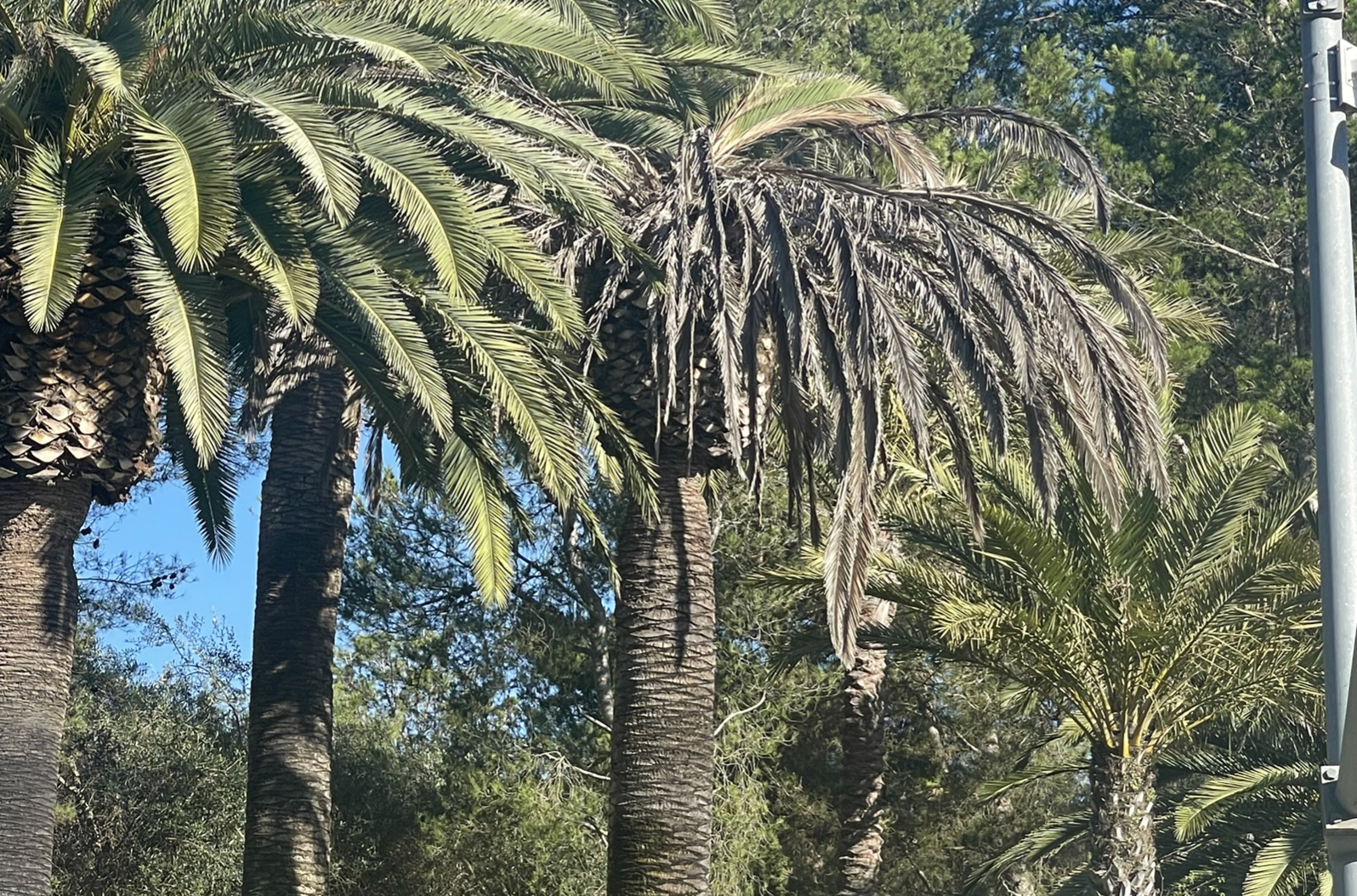
Learn the warning signs of South American Palm Weevil infestations and how certified arborists help protect palm trees throughout Southern California.

Fireblight ( Erwinia amylovora ) is a common bacterial infection that affects trees and shrubs in the Rosaceae family. For us in sunny San Diego and neighboring counties these are the ornamental species affected: Loquat ( Eriobotrya sp. ), ornamental pear ( Pyrus calleryana, P. kawakamii ), ornamental plum ( Prunus cerasifera ), Photinia sp. , toyon ( Heteromeles arbutifolia ), Carolina cherry ( Prunus caroliniana ) It can also affect fruiting trees in the pear (Pyrus sp. ) , plum/cherry/nectarine ( Prunus sp. ) and apple (Malus sp .) genera.
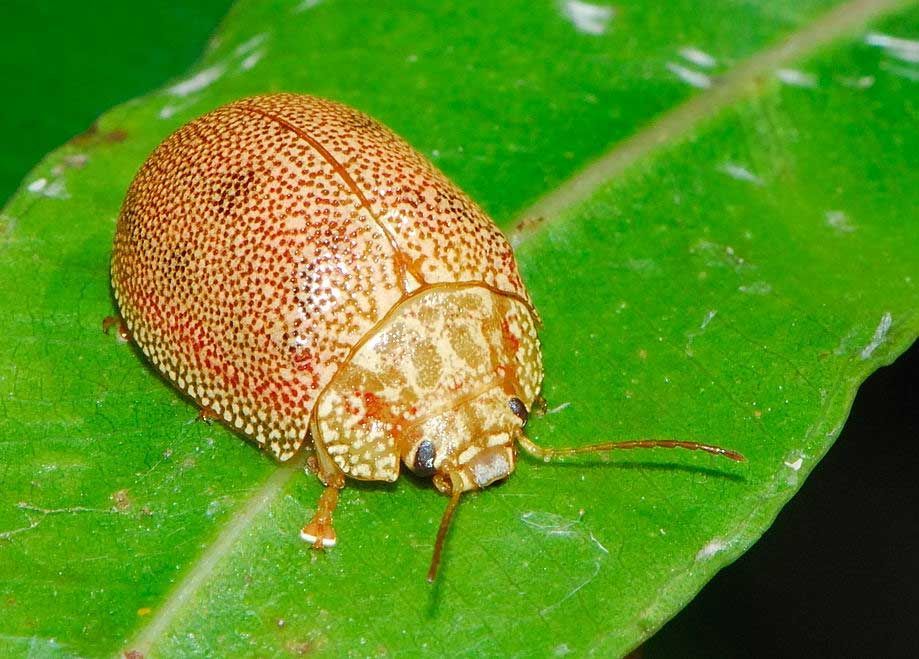
Pest Notes Vol. 5 explores the rapid spread of the dotted paropsine leaf beetle across California eucalyptus trees and what property owners should know about treatment, tree health care, and pest management.
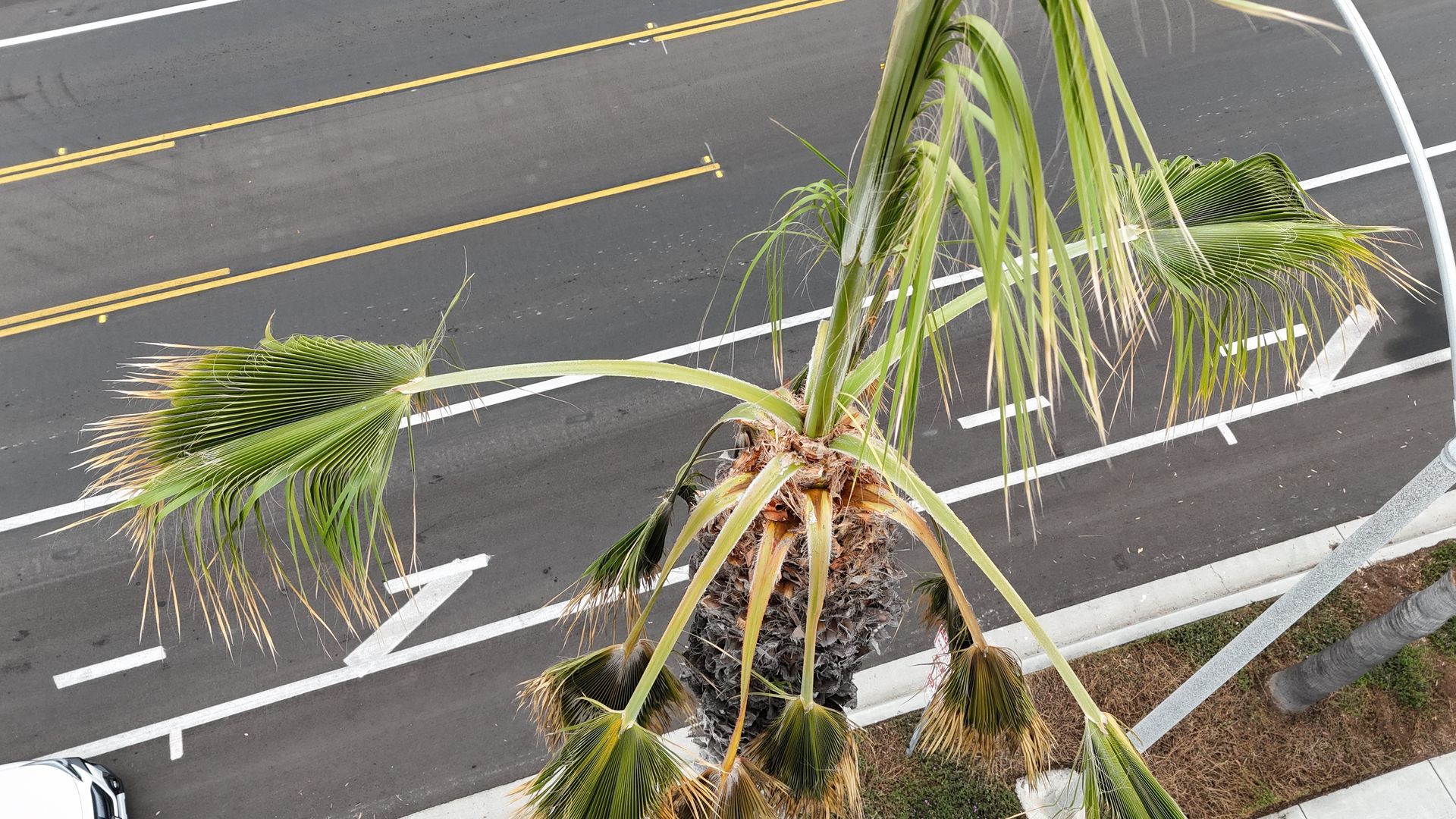
Palms are most closely associated with grass. They are “monocots.” Woody trees are “dicots.” Monocots have one point of growth, while dicots have two. With their second growing point (cambium), dicots can compartmentalize decay, regenerate woody tissue, respond to attack, etc. Palms, or monocots, do not have that capability. They have a single point of growth called the “meristem” also commonly called “spear-growth.” This is the main growing point of a palm – the center of its head. They do not expand radially, or get “thicker.”
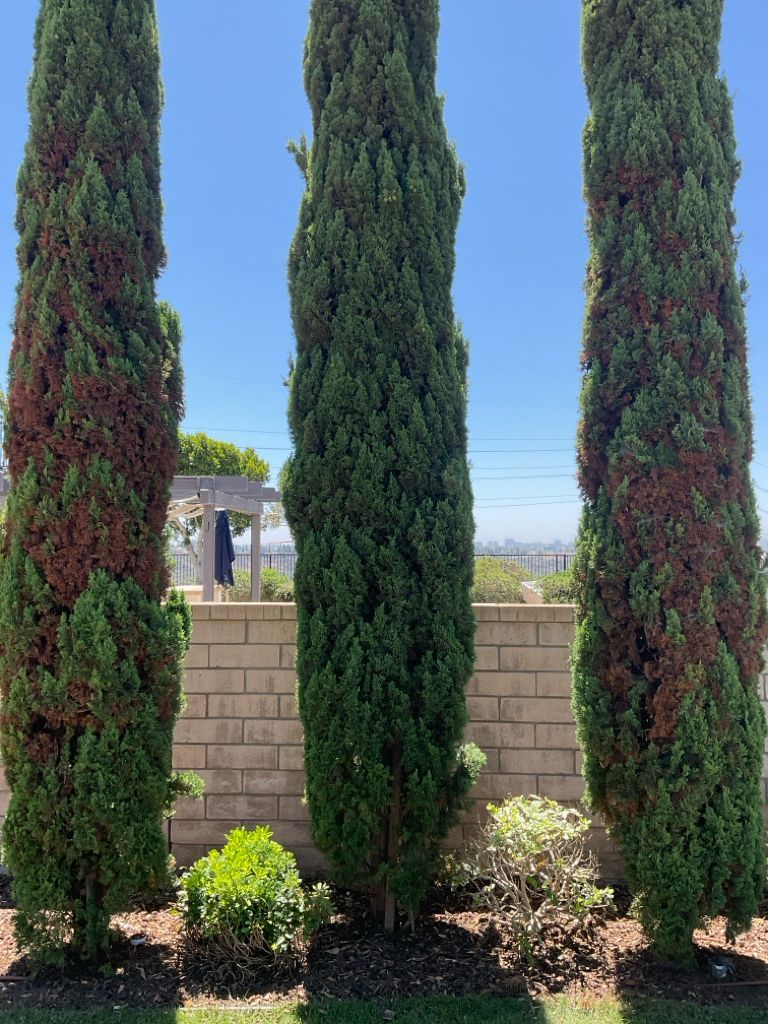
Italian cypress reminds me of the Queen of Hearts and her castle in Alice in Wonderland. They line the property boundaries of fine estates, work as an excellent screen species and require minimal maintenance. With their upright, erect structure, pruning is typically only needed to maintain a uniform shape when a branch over-elongates. Watering once established is minimal – a couple of deep watering events in the summer and you are good to go. It is, however, common for this species to develop secondary pests when improperly installed and maintained. Planting depth and water is crucial – this species can contract root rot, which commonly occurs when planting depth is too deep and watering cycles too frequent and shallow. They can also deal with a canker that produces toxins, wreaking havoc on mineral-and-water conducting tissue.

Greedy Scale
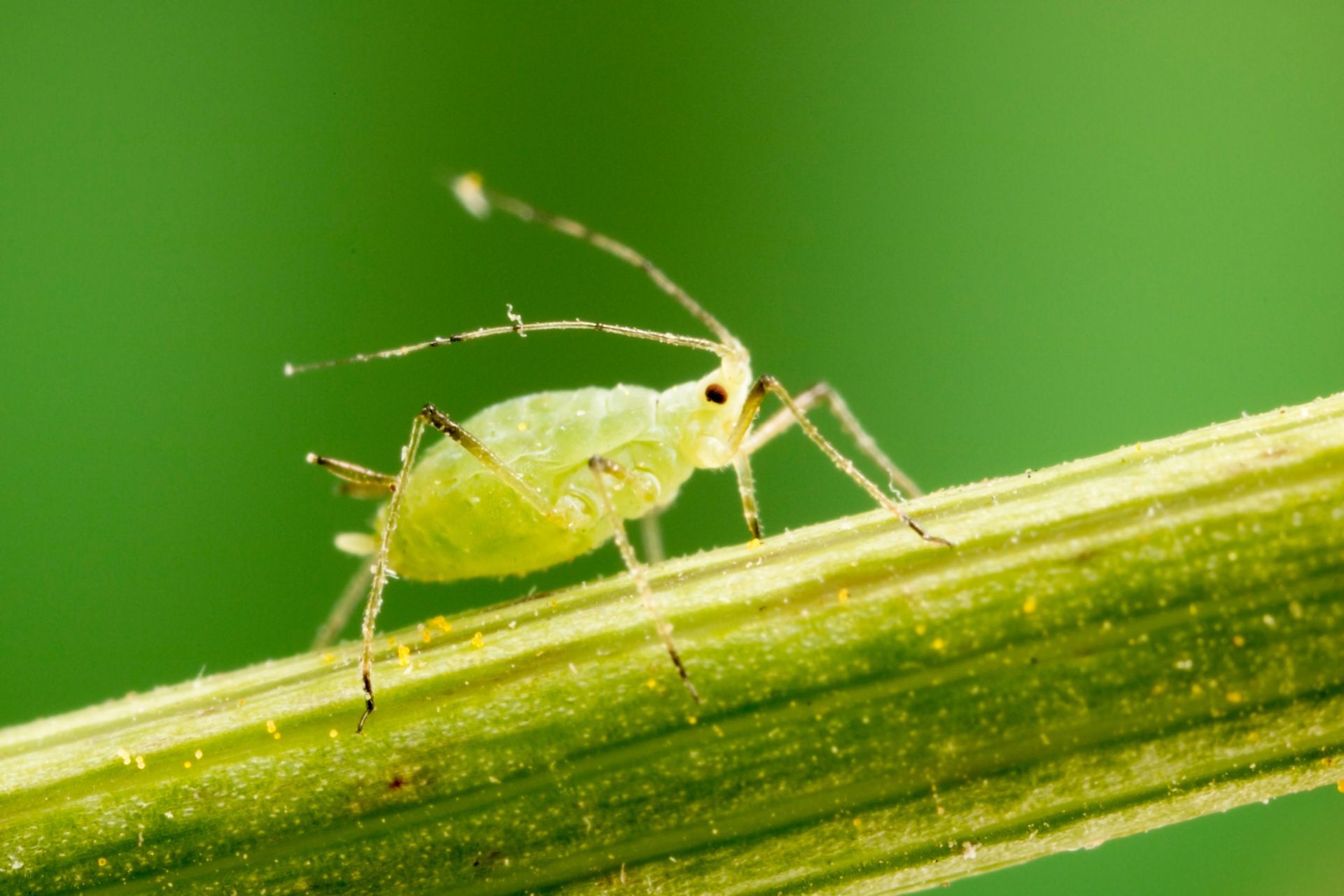
Do insects and pathogens wake up in the morning, get their coffee and ponder on a balcony: “What do I feel like eating today?!” No. Quite the contrary. Trees and plants alike attract insects and disease when they are stressed in some form or fashion. Insects are electromagnetic in many ways, and pick up on vibrations present in odorants exuded by plants and other things in the environment. Disease only proliferates when conditions permit. In fact, pathogens can lay dormant in soil or debris, and are “activated” when stress provides an opportunity. Excluding invasive species, insects and pathogens are largely opportunistic, meaning they attack plants and trees that are providing an “opportunity” for them to host. Without some stress factor causing insect-attracting odorants to exude, opportunistic pests are generally uninterested in healthy trees. Moreover, pests do not “choose” their host; it is an electromagnetic phenomenon or symbiotic relationship between plant and pest. Plants and trees have been dealing with pests like fungi, bacteria and insects for millennia; and they have developed relationships of mutual sustenance, sometimes to the detriment of one or the other. Factors that TreeLife CA representatives consider when surveying any given set of trees are: