Pest Notes: Vol. 6 – Fireblight
Fireblight (Erwinia amylovora) is a common bacterial infection that affects trees and shrubs in the Rosaceae family. For us in sunny San Diego and neighboring counties these are the ornamental species affected:
- Loquat (Eriobotrya sp.), ornamental pear (Pyrus calleryana, P. kawakamii), ornamental plum (Prunus cerasifera), Photinia sp., toyon (Heteromeles arbutifolia), Carolina cherry (Prunus caroliniana)
It can also affect fruiting trees in the pear (Pyrus sp.), plum/cherry/nectarine (Prunus sp.) and apple (Malus sp.) genera.

Available research on the disease is mostly limited to agricultural settings. While prevalent in the urban environment, its’ extent thereof does not quite warrant further research. Fireblight is considered a managed disease because it is well known and identifiable; we have existing management tools and it is considered manageable.
Symptoms include burned branch tips, or, branches that turn brown quickly. Other symptoms are sunken oozing cankers along branches. In Southern California, this symptom is not as prevalent as burning branches.


Things like changing environmental conditions increasing plant susceptibility and allowing a better environment for the disease to develop. This is true.
Arguably, improper pruning coupled with improper treatment while environmental pressures increase is a bad combo.
Here are some ways that fireblight has been treated in the past:
- Trunk injections – trunk injections are a popular, contemporary form of tree treatment. It offers quick, long-term control of insects.
- Oxytetracycline: When it comes to bacterial diseases, the antibiotic offered is Oxytetracycline. This same antibiotic is used prolifically in animals and humans. This antibiotic in trees offers 90-days of control of the bacteria. Delivering trunk injections requires drilling holes into the trunk of a tree. You cannot drill in to a tree more than once every 2-years without promoting tree mortality.
- Phosphoric Acid: The other trunk injection material is phosphoric acid. This material can be delivered by bark band, canopy spray or soil application as well. There is no need to drill in to a tree to get this material in plant tissue where there are so many other methods. That leaves trunk injection in this instance to have a significantly higher cost than benefit.
- Soil applications – some fungicides are labeled for fireblight. Typically the labelling for fireblight falls into agricultural settings, but that doesn’t stop commercial tree care companies from using it in the landscape. The side effects of using these materials in our soils, ultimately landing in plant tissue, degrades both the soils ability to provide for plants, as well as the plant or tree to provide for itself.
- Bark banding – Arguably the second-best application type for this disease. The material labelled and known to be effective is the phosphoric acid stated above. Bark banding this material is not necessarily specific to the infection of fireblight, but neutralizes bacteria for a time, and mostly stimulates a tree to better defend itself from the inside. This application is typically coupled with foliar applications for severe infections.
- Foliar spray – The absolute best application method for this bacterial infection, a bactericide blend is applied to flowers in mid-full bloom. This is where the bacterium begins in a tree. Single applications have maintained green canopies throughout an entire season. The positive effect of this application compounds year over year. If maintained on an annual schedule, fireblight infections can be dramatically minimized. Foliar sprays offer the most consistent control, are the most cost-effective, and do not come with the side-effects of trunk injection.
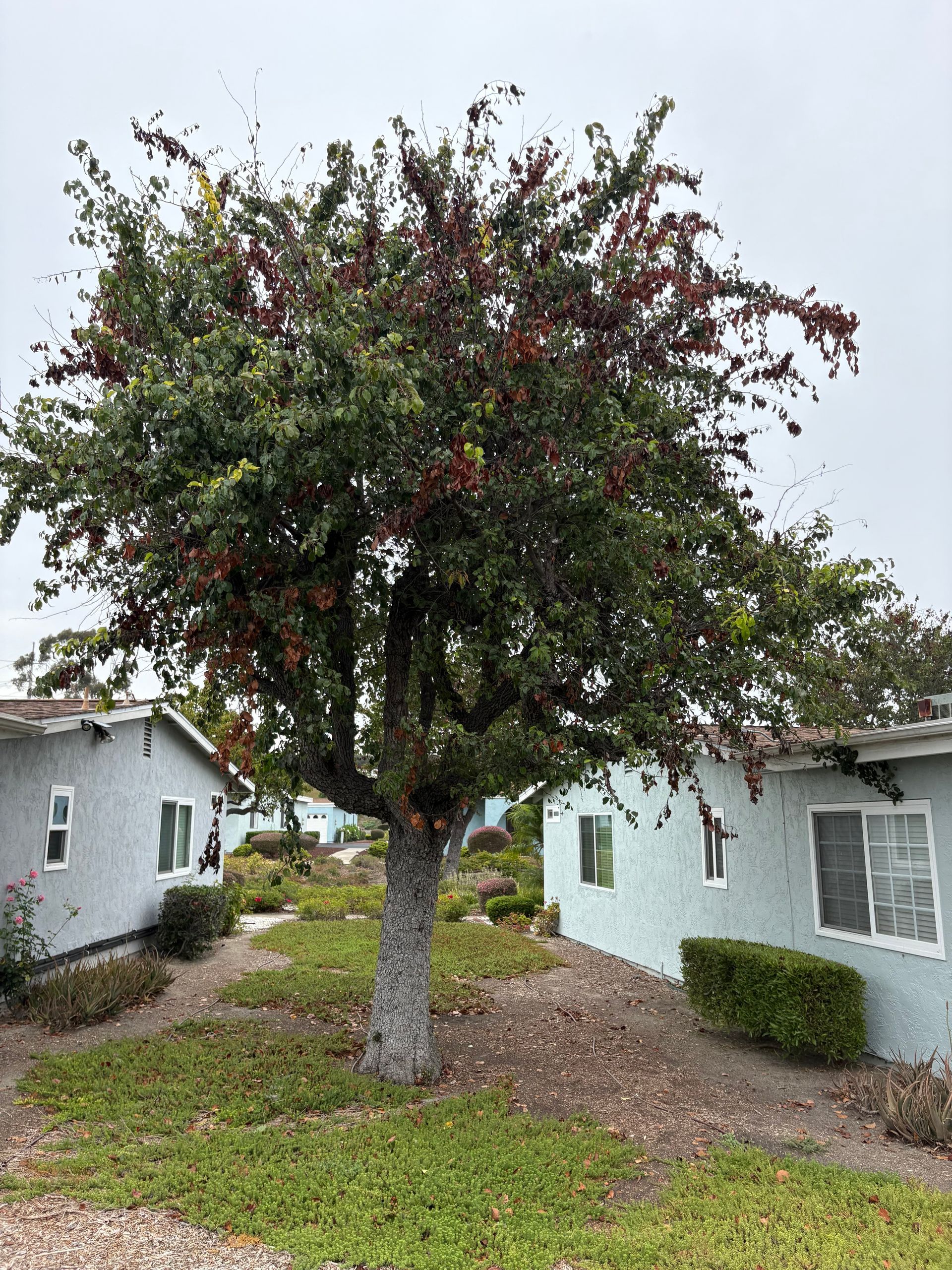
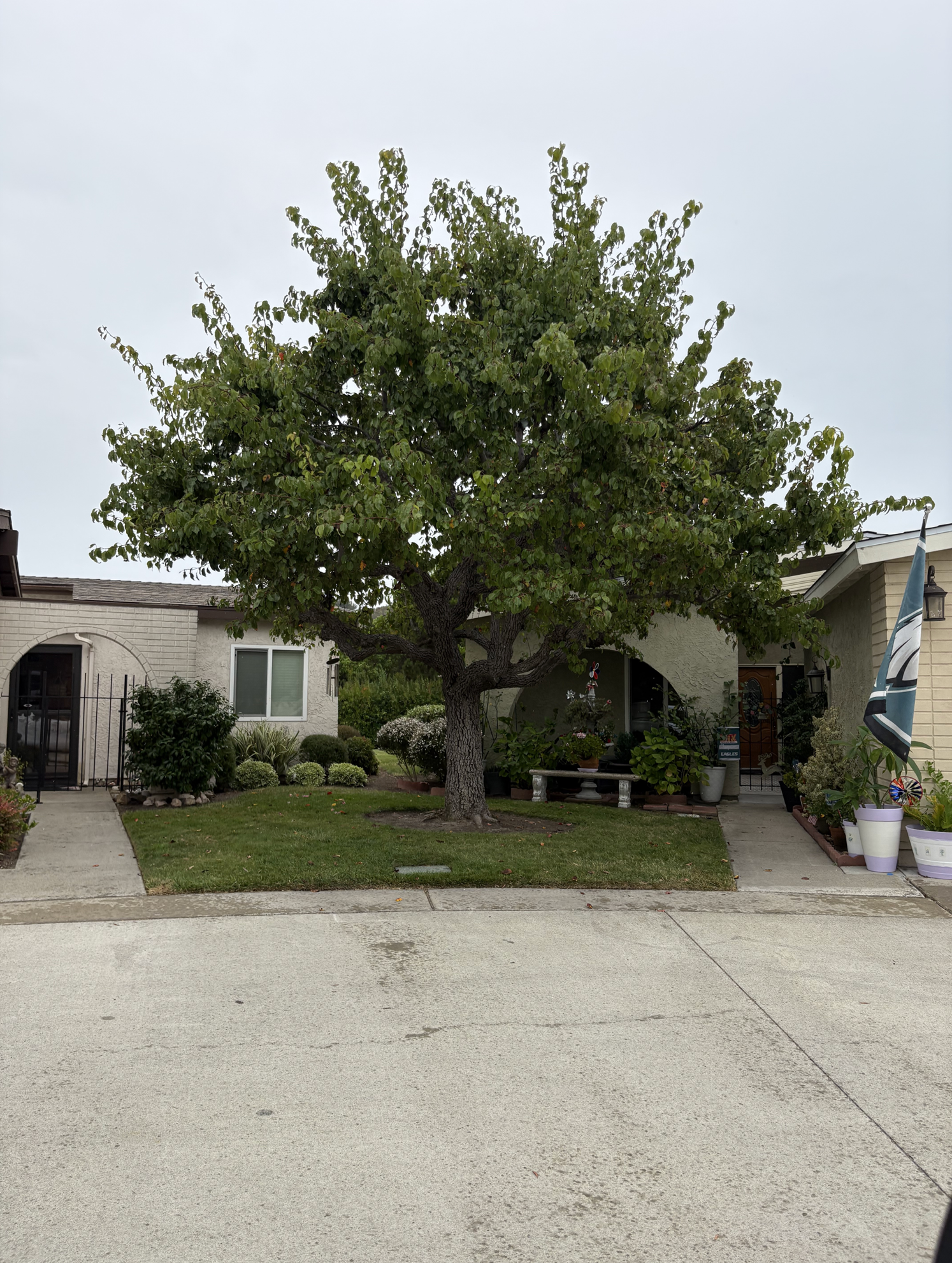
TreeLife has conducted each of these applications to study the effects and find an optimal method of control.
Get it right the first time and call TreeLife, The Urban Forestry Experts of Southern California!