Pest Notes: Vol. 7 - South American Palm Weevil in Orange County and Inland Empire
The South American Palm Weevil (SAPW) has become one of the most destructive invasive palm tree pests affecting Southern California landscapes.
Native to tropical regions of South America, this aggressive pest is capable of infesting a wide variety of palm species, often causing severe structural decline and complete palm mortality if left untreated.
As infestations continue spreading throughout California, property owners, HOAs, municipalities, golf courses, and commercial landscapes are facing increasing concerns about protecting valuable palm trees from irreversible damage.
At TreeLife CA, our certified arborists continue monitoring South American Palm Weevil activity while implementing treatment strategies designed to protect vulnerable palms throughout Southern California.
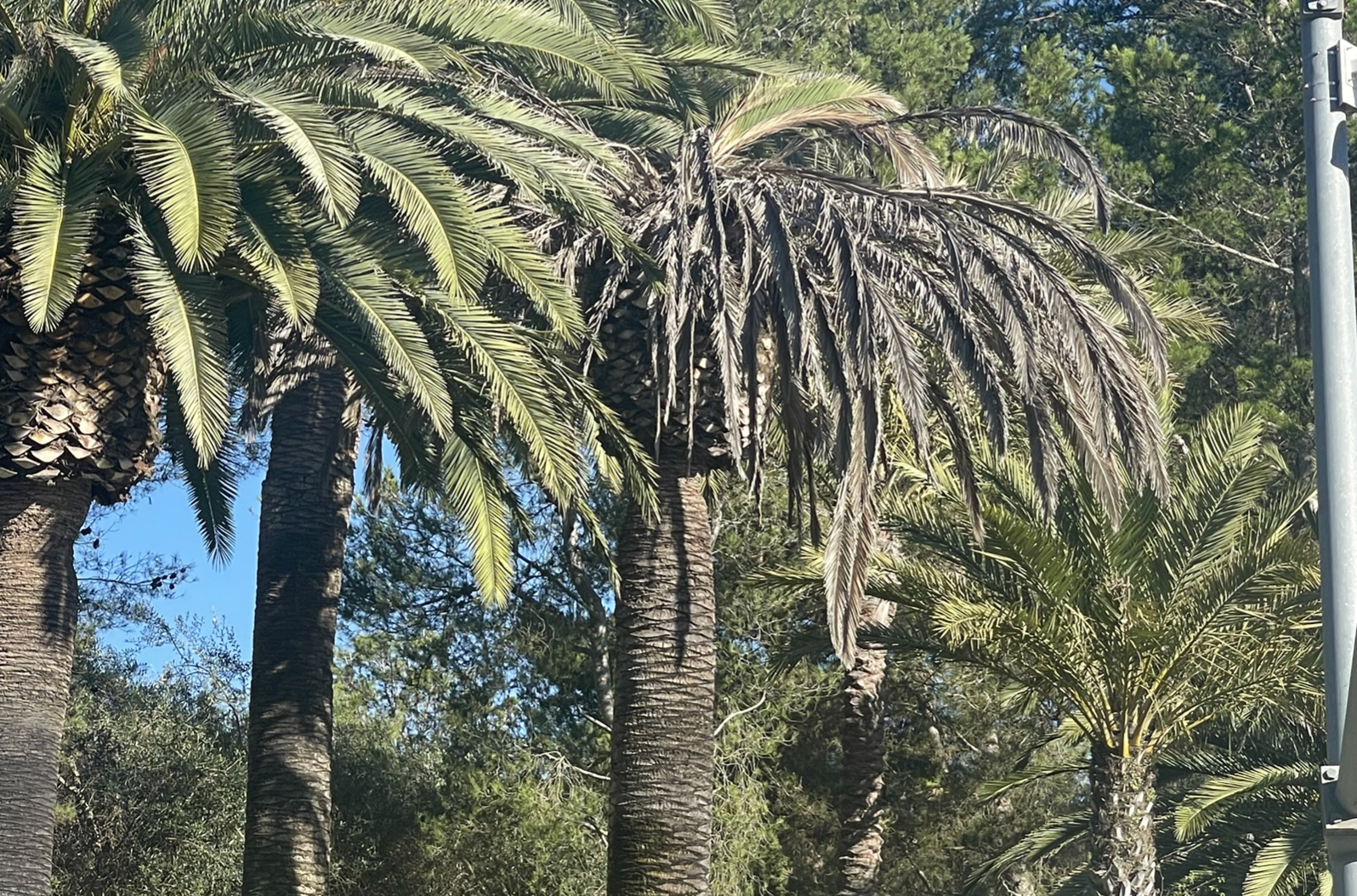
Signs of South American Palm Weevil Infestation
Common Warning Signs Include:
- Yellowing foliage
- Flattening or collapse of the crown
- Pupal cases near the trunk base
- Notching on newly emerging fronds
- Declining canopy appearance
Many infested palms may appear healthy externally until damage becomes advanced. Early detection is critical for improving treatment success and preventing additional spread.
South American Palm Weevil Treatment Options
Treatment strategies may vary depending on palm species, infestation severity, and overall tree health.
Crown Spraying
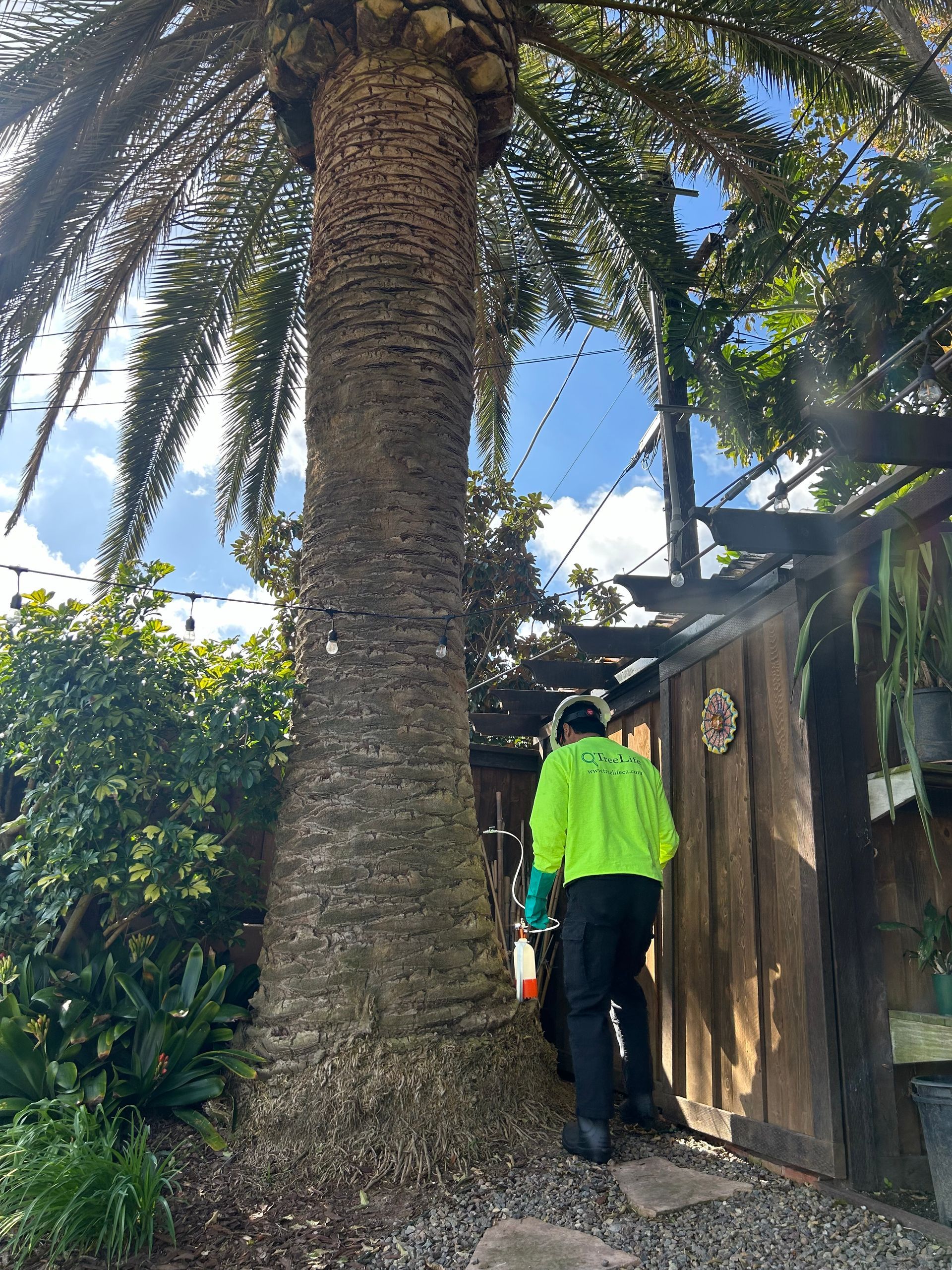
Insecticide treatments applied directly to the crown area help target active adult weevils and disrupt their lifecycle.
Trunk Injection
Systemic insecticides injected directly into the vascular system of the palm may provide one of the most effective treatment options for active infestations.
Root and Soil Drench
Systemic treatments applied to the root zone help protect new growth and support ongoing pest management efforts.
Protect Your Palm Trees Before Severe Damage Occurs
South American Palm Weevil infestations continue spreading throughout Southern California, making proactive monitoring and professional palm care increasingly important.
TreeLife CA helps property owners identify infestation risks and develop customized treatment strategies designed to protect valuable palm assets.
Related Services
- Tree Pest Control Services
- Tree Health Care Services
- Consulting Arborist Services
- Tree Assessment Services
Request a Consultation
Speak with a certified arborist to schedule a palm tree inspection or discuss treatment options for South American Palm Weevil management.