
TreeLife Investigator
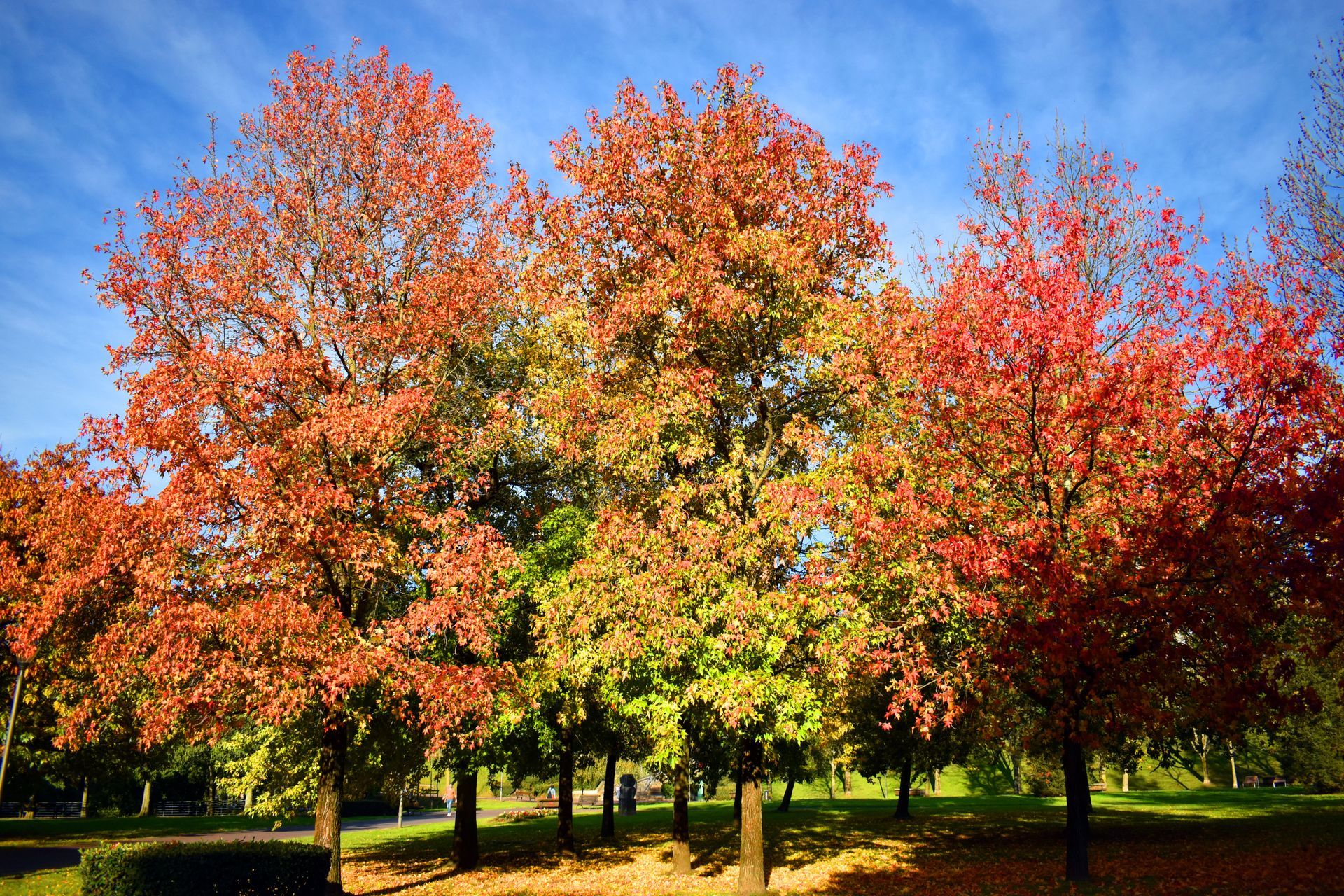
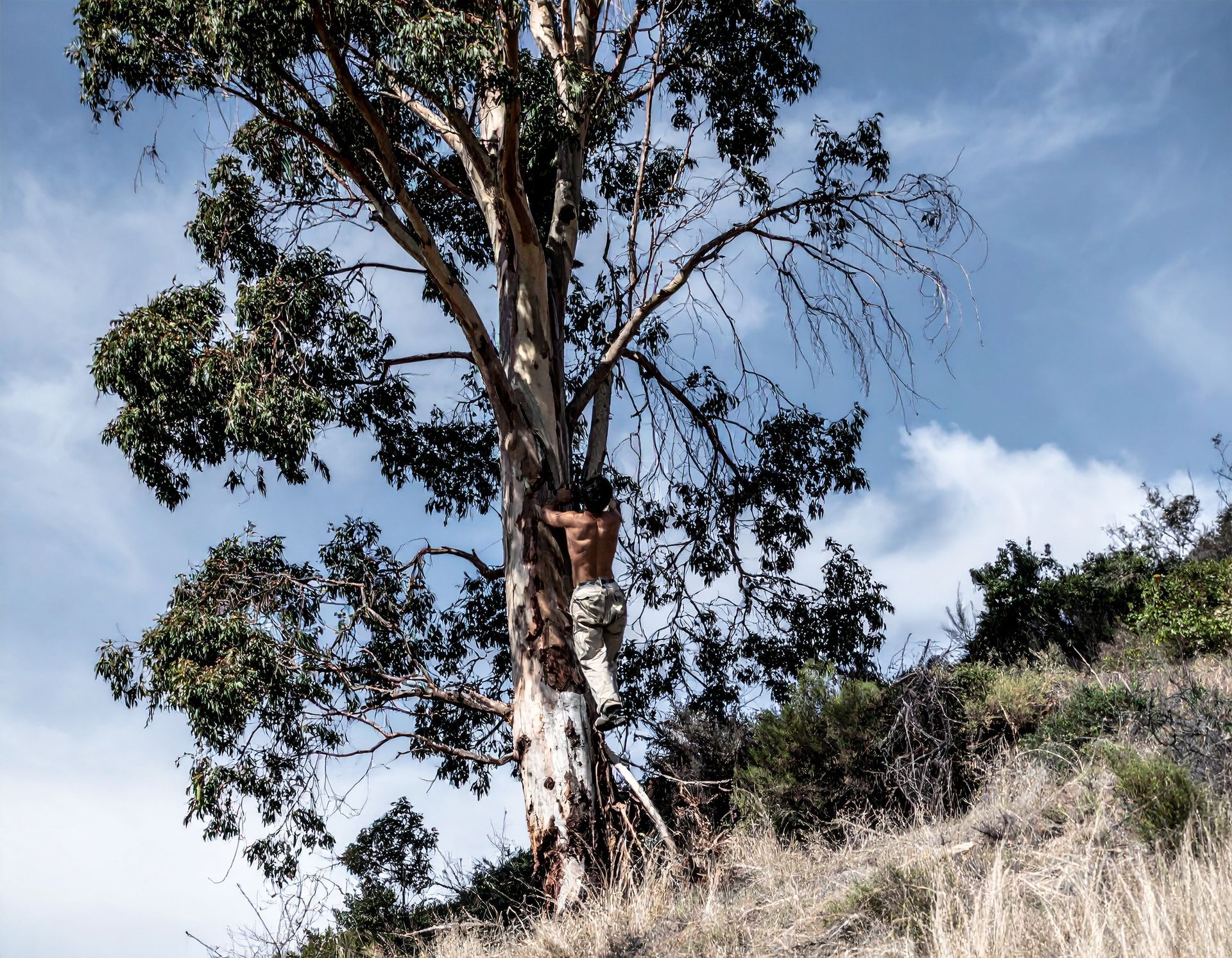
My duties as a tree consultant include being hyper-aware of how trees respond to human activity around the county, in general. For example, it's important that I notice if a particular species is exhibiting symptoms of a widespread problem, such as insect infestation or foliar disease. Or as another example, it might be equally important for me to understand how different collection of tree populations are affected by certain pruning methods. Insight that I might glean from potentially any property could be shared with a client or implemented on a project. Therefore, I am always looking at trees closely wherever I go. It's a TreeLife for me. Because I'm on the road much of many days, I use this as an opportunity to look at trees while traveling routine routes. Truly, I get to know all the varieties of trees along the I-15 and 78 freeway, and even keep an eye out for tree hazards along the CalTrans right-of-way. There are a many remnant Eucalypti that peak my curiosity. Though they are generally not planted these days, they will always be an emblematic and stately tree, for me. Long ago, they were selected for their hardiness and planned usefulness, but times have changed and now they're neglected and even despised. Then one day, I noticed that a particular type of Eucalypti had been pruned in locations that I knew had no tree budget, and thus, no tree maintenance monies to use for pruning. I was puzzled by signs that random silver dollar gums (Eucalyptus polyanthemos) had been stripped of foliage while nearby red gum (Eucalyptus camaldulensis) were untouched, with branches still overhanging the roadway. Even if there was a budget, I thought to myself, why did tree crews prune the wrong trees?

There are many forms of investigation in the professional world. Everyone has seen movies with crime scene investigations or read stories derived from investigative journalism. Many people know firsthand about the investigation that occurs when a doctor evaluates a patient. More recently, there are the computer technicians who investigate computer problems. But most people don’t know about the investigation that occurs daily in the little-known world of arboriculture. This story is about a TreeLife Investigator who was recently called out to a 'tree crime' scene. Most people would be surprised to learn that tree investigations occur regularly in many communities across the country. This story begins with a population of bottle trees (Brachychiton populneus), planted in a homeowner association parkway ten years ago, that were showing varying degrees of health decline. The management company representing the community’s board of directors wanted to know what was wrong with the trees, and they contacted TreeLife to solve the problem. An Investigator with TreeLife assessed the population of trees shortly thereafter and observed signs of secondary disorders in most of the trees. Many tree crowns appeared opaque, while others looked sparsely foliated. Leaf size was stunted on some specimens, and leaf tips were distorted and necrotic in others. The Investigator noted that all of the bottle trees had three or four “breather tubes” (aka “root aeration tubes”) placed within one foot of each trunk. The tubes were arranged in a non-uniform, non-symmetric pattern. Often sold as beneficials, “breather tubes” were known to be ineffective and generally harmful. They don’t improve soil aeration or water distribution as advertised, instead they usually lead to root and trunk damage. The TreeLife Investigator talked with a landscape maintenance account manager, familiar with the community, about the performance history of the trees. Purportedly their crowns would recover from the aforementioned secondary disorders each year only to decline or defoliate again.