What Is a Tree Health Assessment and What Can It Reveal?
Trees often show signs of stress long before property owners notice visible symptoms. A professional tree health assessment helps identify underlying issues that may be affecting tree vitality, structural integrity, and long-term performance.
Whether a tree is experiencing nutrient deficiencies, pest pressure, environmental stress, disease development, or root zone problems, early diagnosis allows arborists to create effective management strategies before conditions become more severe.
At TreeLife CA, our certified arborists perform comprehensive tree health assessments throughout Southern California, helping property owners make informed decisions that protect both trees and property value.
What Is a Tree Health Assessment?
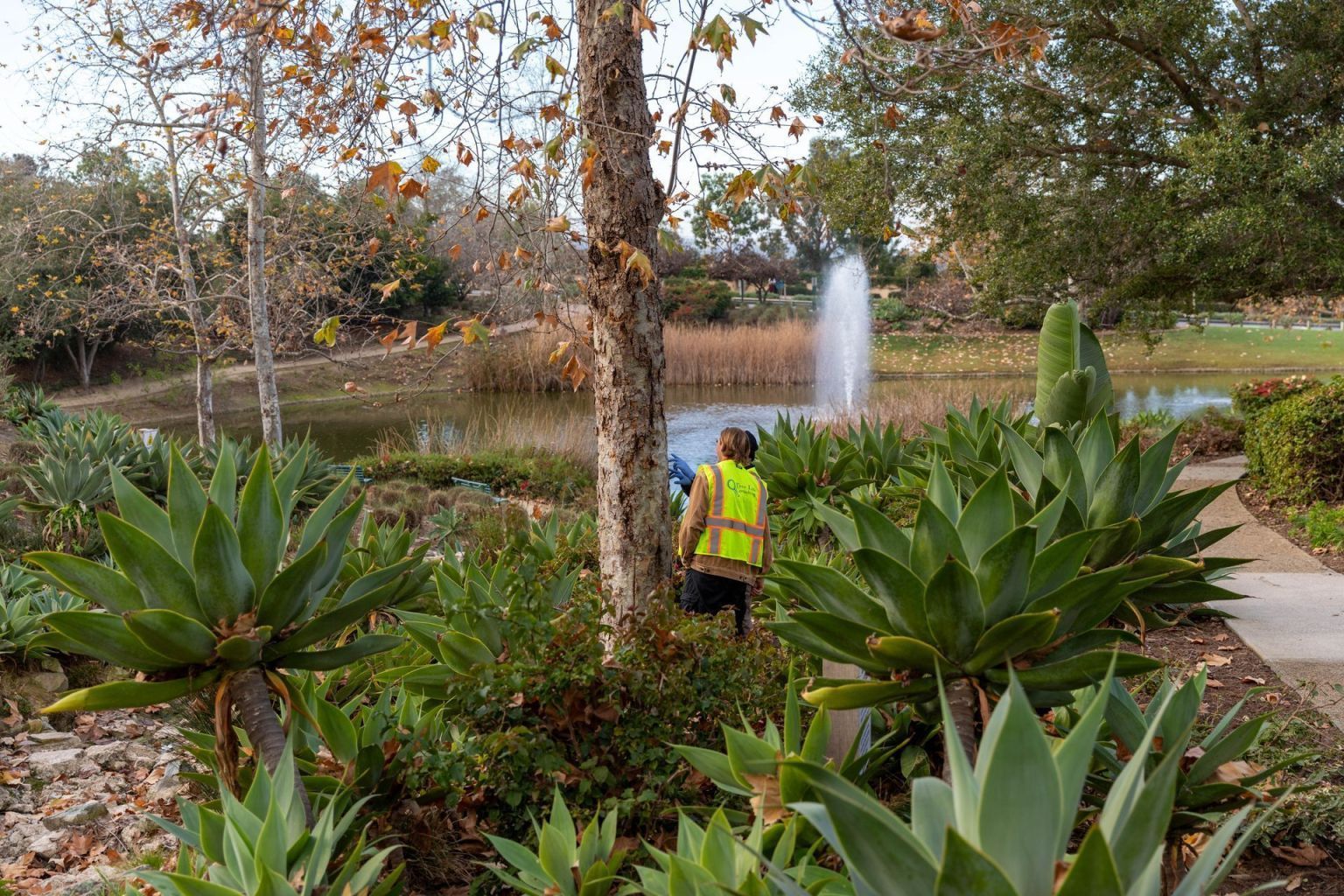
A tree health assessment is a systematic evaluation performed by a certified arborist to determine the overall condition, vitality, and risk profile of a tree.
Unlike a simple visual inspection, a professional assessment examines multiple factors that influence tree performance, including:
- Tree species characteristics
- Canopy condition
- Leaf development
- Branch structure
- Root zone health
- Soil conditions
- Environmental stress factors
- Evidence of pests or disease
The goal is not simply to identify symptoms but to understand the underlying causes affecting tree health.
Why Tree Health Assessments Matter
Many tree issues develop gradually over several years.
What begins as minor stress may eventually lead to:
- Canopy thinning
- Reduced growth
- Increased pest susceptibility
- Disease development
- Structural instability
- Premature tree decline
By identifying problems early, arborists can often implement corrective strategies before major damage occurs.
Common Problems Revealed During a Tree Health Assessment
Property owners are often surprised by the number of issues that can be identified during a professional evaluation.
Nutrient Deficiencies
Urban trees frequently suffer from nutrient imbalances caused by compacted soils, limited root zones, and environmental pressures.
Pest Activity
Certain pests can remain active for long periods before visible symptoms appear.
Common examples include:
- Borers
- Scale insects
- Beetles
- Eucalyptus pests
Environmental Stress
Improper irrigation, drought conditions, soil compaction, and construction impacts often contribute to tree decline.
Early Disease Development
Many diseases are easier to manage when detected during the early stages of development.
Signs Your Tree May Need a Health Assessment
Property owners should consider scheduling an assessment if they notice:
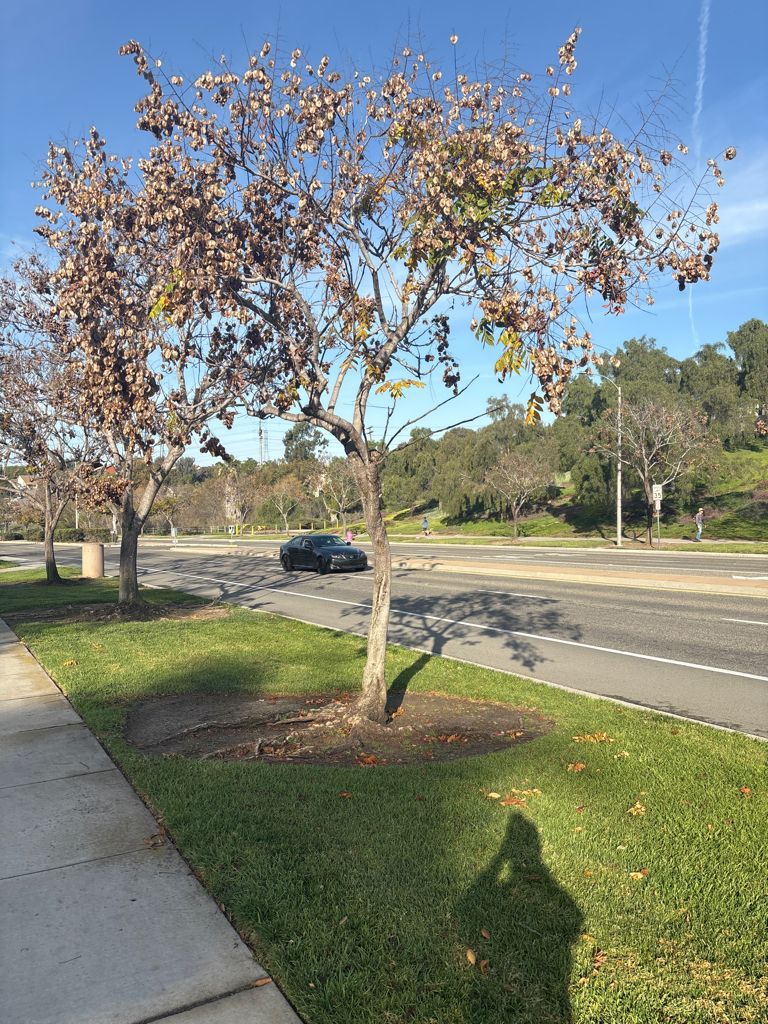
- Thinning canopy growth
- Yellowing or discolored leaves
- Premature leaf drop
- Dead branches
- Reduced growth rates
- Visible pest activity
- Changes in tree structure
- Root zone disturbances
Trees do not typically decline without reason. Identifying the cause is often the first step toward recovery.
(Consulting Arborist Services)
What Happens During a Professional Assessment?
Every tree and property presents unique conditions.
A typical TreeLife assessment may include:
- Visual tree inspection
- Canopy evaluation
- Site condition review
- Root zone analysis
- Pest and disease evaluation
- Risk assessment
- Management recommendations
Following the assessment, property owners receive professional guidance based on the specific needs of the tree and site.
Benefits of Early Tree Health Diagnosis
Early intervention often provides the greatest opportunity for successful outcomes.
Potential benefits include:
- Improved tree vitality
- Reduced treatment costs
- Extended tree lifespan
- Lower risk of structural failure
- Greater resistance to pests and disease
- Better long-term landscape value
Tree Health Assessments for Residential and Commercial Properties
Tree health assessments are valuable for:
- Residential homeowners
- Commercial properties
- HOAs
- Municipalities
- Schools
- Development projects
- Property managers
Understanding tree condition allows stakeholders to make informed maintenance and planning decisions.
When to Contact a Certified Arborist
If your trees are showing signs of decline, stress, pest activity, or unusual growth patterns, a professional assessment can help identify the underlying cause before conditions worsen.
TreeLife CA provides:
- Tree Assessment Services
- Tree Health Care Services
- Consulting Arborist Services
- Tree Pest Control Services
Our certified arborists serve residential, commercial, and municipal clients throughout Southern California.
Concerned About the Health of Your Trees?
A professional tree health assessment can help identify hidden issues before they become costly problems.
TreeLife CA provides expert tree evaluations, health care recommendations, and consulting arborist services throughout San Diego County and Southern California.
Related Services
- Tree Assessment Services
- Tree Health Care Services
- Consulting Arborist Services
- Tree Pest Control Services
Request a Consultation
Speak with a certified arborist to evaluate your trees and develop a customized management plan.
Frequently Asked Questions About Tree Health Assessments
What is included in a tree health assessment?
A tree health assessment typically includes evaluation of canopy condition, structural integrity, root health, site conditions, and evidence of pests or disease.
How often should trees be assessed?
Many arborists recommend periodic assessments, particularly for mature trees, high-value landscapes, and properties undergoing development.
Can a tree health assessment detect pest problems?
Yes. Professional arborists can identify evidence of insect activity, pest damage, and conditions that may increase susceptibility to infestation.
Do healthy-looking trees still need assessments?
Yes. Many tree problems begin internally or below ground before visible symptoms appear.
When should I schedule a tree health assessment?
Property owners should consider an assessment when trees show signs of decline, after major storms, before construction projects, or as part of a proactive tree management program.