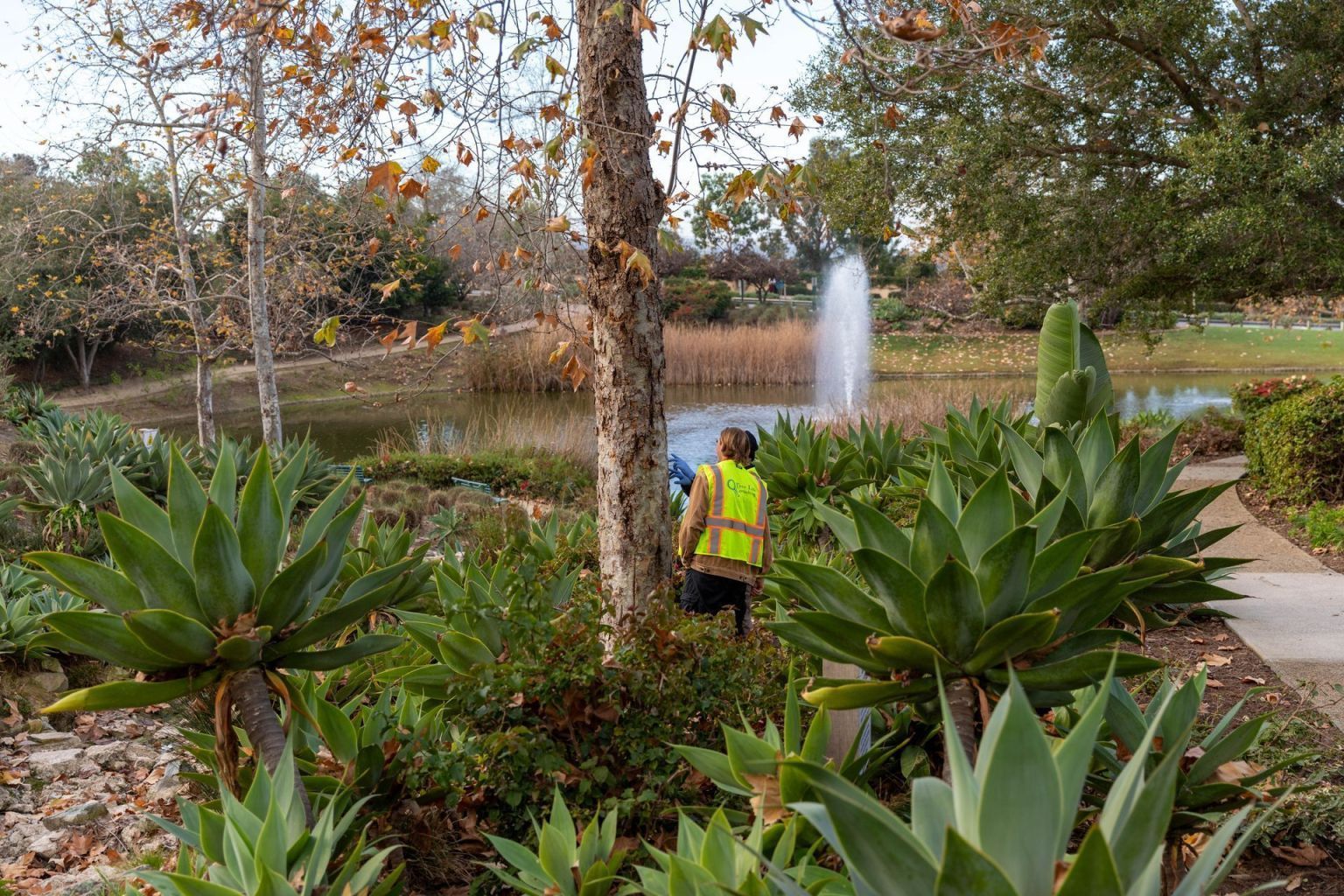
Tree Inspection vs. Tree Health Assessment: What's the Difference?
Many property owners use the terms tree inspection and tree health assessment interchangeably, but they can serve different purposes.
A tree inspection generally focuses on visible conditions, structural concerns, and potential hazards. A tree health assessment takes a broader look at the factors affecting a tree's long-term health and vitality.
At TreeLife CA, our certified arborists evaluate trees, site conditions, and potential risks to help property owners make informed decisions about tree care.
What Is a Tree Inspection?
A tree inspection is a professional evaluation of a tree's visible condition, structure, and surrounding environment.
An arborist may look for:
- Dead or damaged branches
- Structural defects
- Signs of pests or disease
- Storm damage
- Changes in canopy condition
- Potential safety concerns
A tree inspection can be especially useful after severe weather, when visible damage appears, or when a mature tree is located near a building, roadway, or other high-use area.
What Is a Tree Health Assessment?
A tree health assessment looks beyond visible symptoms to understand what may be affecting a tree's overall condition.
An arborist may evaluate:
- Canopy health
- Root zone conditions
- Soil quality
- Nutrient availability
- Irrigation
- Pest activity
- Disease
- Environmental stress
The goal is to identify potential causes of decline and develop appropriate management recommendations.
What's the Difference?
The simplest way to understand the difference is:
- Tree inspection: Is there a visible structural, health, or safety concern?
- Tree health assessment: Why is the tree struggling, and what can be done to improve its long-term health?
Both services can be valuable, depending on the condition of the tree and the reason for the evaluation.
When Should You Have Your Tree Evaluated?
Consider scheduling a professional evaluation if you notice:
- Thinning canopy
- Yellowing or unusual leaves
- Dead branches
- Sudden changes in growth
- Pest activity
- Storm damage
- Structural concerns
- Declining tree health
Professional evaluation can help identify problems before they become more difficult or expensive to manage.
Tree Inspections During Construction
Tree evaluations are also important before construction or development projects.
Excavation, grading, soil compaction, and utility installation can damage tree roots and affect long-term health.
A certified arborist can help identify trees that may require protection and provide recommendations for preserving them during construction.
Why Work With a Certified Arborist?
A certified arborist can evaluate the tree together with its surrounding environment and provide recommendations based on its specific condition.
TreeLife CA provides:
- Tree Assessment Services
- Tree Health Care Services
- Consulting Arborist Services
- Tree Protection Plans
- Arborist Reports
Our team works with residential, commercial, municipal, and development properties throughout Southern California.
(Consulting Arborist Services)
Not Sure What Your Tree Needs?
Whether you're concerned about tree health, structural issues, or potential risks, TreeLife CA can help determine the right type of evaluation for your property.
Related Services
Request a Consultation
Speak with a certified arborist about your trees and determine the best next step.
Frequently Asked Questions About Tree Inspections
What is a tree inspection?
A tree inspection is a professional evaluation of a tree's visible condition, structure, and potential safety concerns.
What is the difference between an inspection and a health assessment?
An inspection generally focuses on visible conditions and risks, while a health assessment evaluates the broader factors affecting long-term tree health.
Should I inspect my tree after a storm?
Yes. Storms can cause structural damage that may not always be immediately visible.
Do healthy-looking trees need professional assessments?
They can. Some root, soil, pest, and structural issues may not be obvious without professional evaluation.
When should I contact an arborist?
Contact an arborist when you notice changes in tree health, structural concerns, pest activity, storm damage, or when construction is planned near existing trees.