How Southern California's Climate Affects Tree Health Year-Round
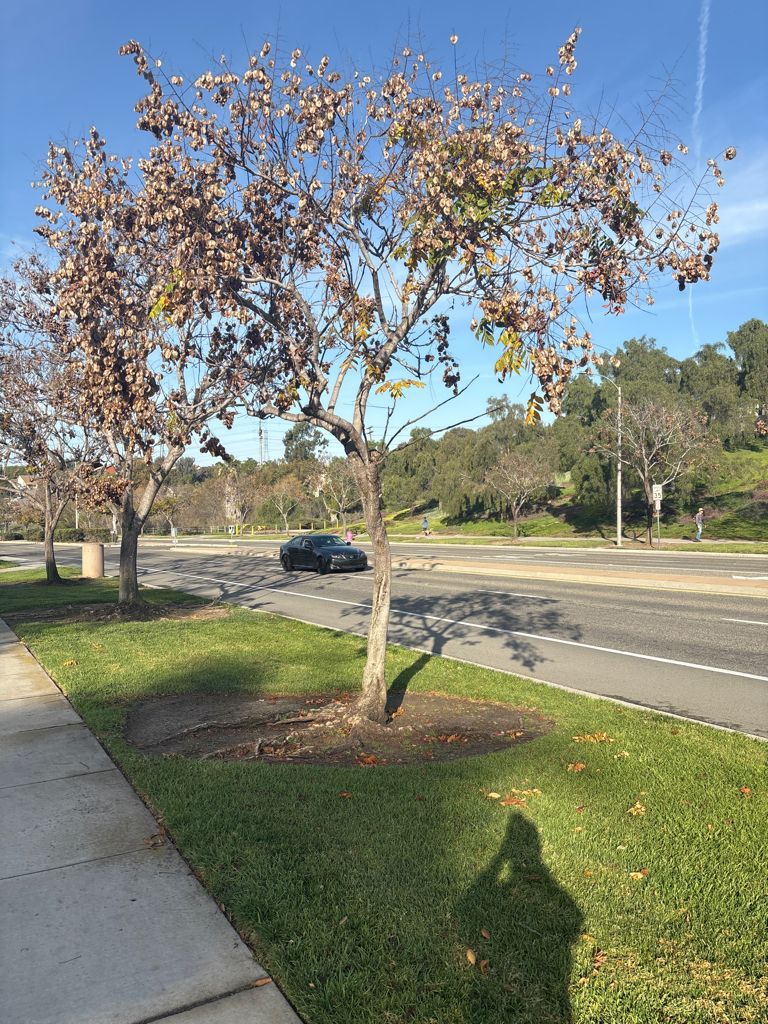
Southern California's climate creates unique challenges for trees.
Long periods of dry weather, high temperatures, limited rainfall, and changing seasonal conditions can place ongoing stress on urban and residential landscapes.
While many trees can adapt to these conditions, prolonged environmental stress can affect root health, growth, canopy density, and resistance to pests and disease.
Understanding how seasonal conditions affect trees is an important part of proactive tree health care.
At TreeLife CA, our certified arborists evaluate tree health together with soil, irrigation, and site conditions to develop management strategies appropriate for Southern California landscapes.
How Drought Affects Tree Health
Extended periods of limited rainfall can reduce the amount of water available to tree roots.
Drought stress may contribute to:
- Reduced growth
- Leaf scorch
- Premature leaf drop
- Canopy thinning
- Branch dieback
- Increased vulnerability to pests
The effects of drought can continue even after rainfall returns, particularly when root systems or soil conditions have already been compromised.
Summer Heat and Tree Stress
High temperatures increase water demand and can place additional pressure on trees.
Trees growing in exposed locations, restricted soil volumes, or areas with inadequate irrigation may experience greater stress during hot periods.
Property owners should monitor trees for changes in foliage, growth, and overall canopy condition during periods of extreme heat.
Why Soil Conditions Matter
Climate is only one part of the equation.
Soil conditions determine how effectively roots can access water, oxygen, and nutrients.
Common problems include:
- Soil compaction
- Poor drainage
- Restricted root zones
- Low organic matter
- Construction-related soil disturbance
Improving soil and root zone conditions can significantly support long-term tree health.
(Cultural Modification Services)
Seasonal Changes and Tree Health
Tree needs can change throughout the year.
Spring
Spring growth can increase water and nutrient requirements. It is also an important period for monitoring new pest activity and canopy development.
Summer
Heat and drought stress become major concerns. Irrigation and root zone conditions should be monitored carefully.
Fall
Changes in temperature and foliage can provide useful indicators of tree condition and emerging problems.
Winter
Winter is a valuable time to evaluate structural conditions, storm preparedness, and long-term management needs.
Climate Stress Can Increase Pest and Disease Problems
Environmental stress can make trees more vulnerable to additional pressures.
Trees experiencing drought, root damage, or poor growing conditions may have greater difficulty tolerating pest activity or disease.
This is why tree health care and pest management should not always be treated as separate issues.
How to Protect Trees in Southern California
A proactive management strategy may include:
- Appropriate irrigation
- Soil improvement
- Root zone protection
- Mulching
- Nutrient management
- Pest monitoring
- Regular tree assessments
- Correcting environmental stress factors
The right approach depends on the species, site, age, and condition of each tree.
When to Contact a Certified Arborist
If your trees show signs of drought stress, declining foliage, unusual growth, pest activity, or branch dieback, a professional assessment can help identify the underlying cause.
TreeLife CA provides:
- Tree Health Care Services
- Tree Assessment Services
- Tree Pest Control Services
- Consulting Arborist Services
Our certified arborists serve properties throughout San Diego County and Southern California.
Is Southern California's Climate Affecting Your Trees?
Proactive tree health care can help identify environmental stress before it develops into more serious problems.
TreeLife CA can evaluate your trees and develop a customized management strategy for your property.
Related Services
- Tree Health Care Services
- Tree Assessment Services
- Cultural Modification Services
- Tree Pest Control Services
Request a Consultation
Speak with a certified arborist about your trees and their growing conditions.
Frequently Asked Questions About Southern California Tree Health
What is the biggest climate challenge for trees in Southern California?
Drought and prolonged periods of heat are among the most significant environmental stresses affecting trees in the region.
Can drought stress affect trees even after rain?
Yes. Long-term drought can affect root systems and overall tree vitality, and recovery may take time after rainfall returns.
How does soil affect tree health?
Soil provides roots with water, oxygen, and nutrients. Compaction, poor drainage, and restricted root zones can negatively affect tree health.
Can climate stress make trees more vulnerable to pests?
Environmental stress can reduce tree vigor and make trees less able to tolerate additional pressures, including pest activity.
When should I schedule a tree assessment?
Consider an assessment when trees show signs of stress, declining canopy health, unusual growth, or pest activity.