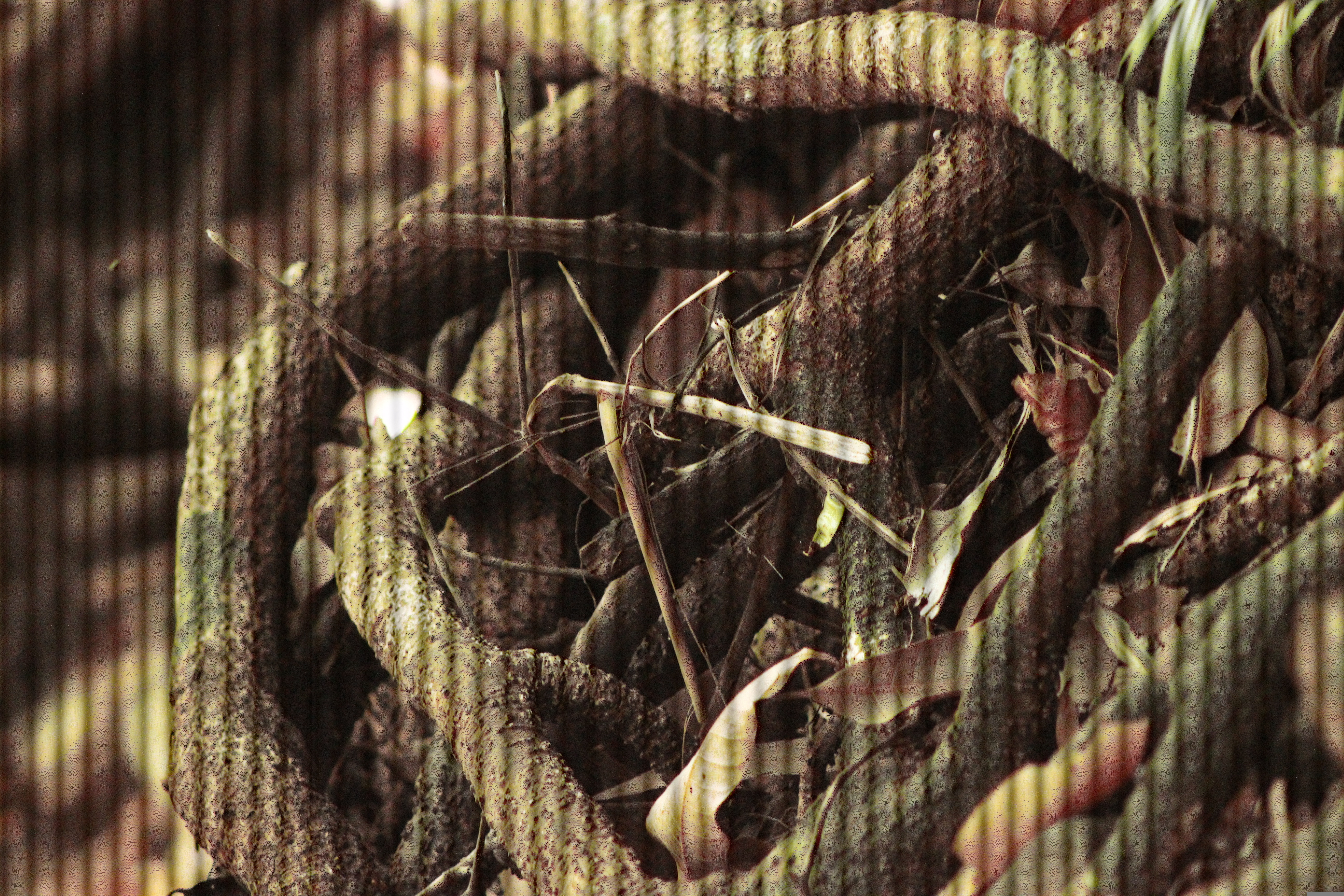
Tree roots are often hidden from view, but they play a critical role in tree health, stability, and long-term growth. Understanding how tree roots develop can help property owners make better decisions about their trees and the surrounding landscape.
A common misconception is that most tree roots grow deep underground. In reality, a large portion of a tree's root system develops through the upper layers of soil, where roots can access water, oxygen, and nutrients.
The shape and distribution of tree roots are influenced by soil conditions, available space, water, oxygen, and the surrounding environment. Changes to any of these factors can affect how a tree develops over time.
At TreeLife CA, understanding the root zone is an important part of professional tree assessment and long-term tree management. The company's cultural modification approach specifically considers soil quality, irrigation, and available root space when evaluating tree health.
Do Tree Roots Grow Straight Down?
Not necessarily. Tree roots typically spread outward through the soil rather than growing directly downward like a taproot system.
The majority of a tree's functional root system is generally located relatively close to the soil surface. This allows roots to take advantage of available oxygen, moisture, and nutrients.
As roots encounter different soil conditions or physical barriers, their direction and distribution can change.
This is why roots may appear near:
- Sidewalks and driveways
- Building foundations
- Irrigated landscape areas
- Soil with better moisture availability
- Areas with less compacted soil
Root growth is strongly influenced by the environment surrounding the tree.
What Determines Where Tree Roots Grow?
Several factors influence root development and distribution.
Soil Conditions
Soil structure affects how easily roots can move through the ground and access water and oxygen. Compacted or poorly structured soil can limit available root space.
Water Availability
Roots tend to develop where moisture is available. Changes in irrigation patterns can therefore influence where roots grow within a landscape.
Oxygen
Roots require oxygen for normal biological processes. When soil becomes heavily compacted or poorly drained, oxygen availability can become limited.
Available Space
Urban trees frequently grow in restricted environments. Pavement, buildings, utility infrastructure, and other structures can limit the space available for root development.
Environmental Stress
Drought, heat, construction activity, and poor soil conditions can place additional stress on a tree and its root system.
Why Root Health Matters to the Entire Tree
Tree roots do much more than anchor a tree.
A healthy root system supports the tree's ability to obtain water and nutrients and contributes to overall tree stability and growth.
When the root environment is compromised, the effects may eventually become visible above ground through changes in canopy density, growth, foliage, or overall vitality.
This is why effective tree health management considers both what is happening above ground and what is happening within the root zone.
How Urban Landscapes Affect Tree Roots
Trees growing in urban environments often face conditions that would be uncommon in natural settings.
Construction, pavement, soil compaction, irrigation changes, and limited planting space can all influence root development.
For example, construction activity can disturb or compact soil around existing trees. These changes may affect the root environment even when there is no obvious damage to the trunk or canopy.
Understanding these conditions is particularly important when planning construction or development around established trees.
Can Tree Roots Be Damaged Without You Knowing?
Yes. Root damage can occur below the surface without immediately producing obvious symptoms in the canopy.
Excavation, grading, soil compaction, changes in drainage, or physical damage to roots can alter the conditions necessary for healthy root function.
Some impacts may become noticeable much later, which is why evaluating the surrounding environment is an important part of professional tree assessment.
How Arborists Evaluate Tree Root Conditions
A tree assessment considers the tree itself as well as the conditions surrounding it.
Depending on the situation, an arborist may evaluate:
- Soil conditions
- Available root space
- Irrigation and drainage
- Signs of environmental stress
- Construction impacts
- Overall tree health and structure
TreeLife's tree assessment services include evaluations of tree health, structure, and potential risks, with recommendations based on the conditions observed.
Protecting Tree Roots Starts With Understanding Them
Healthy root systems depend on an appropriate growing environment. Maintaining suitable soil conditions, irrigation, root space, and protection from unnecessary disturbance can support better long-term tree management.
For properties where soil conditions or root space are limiting tree performance, cultural modification strategies may help address environmental factors affecting tree health. TreeLife's approach includes soil improvement, irrigation practices, mulching, and long-term tree health planning.
Concerned About Your Tree's Root System?
Tree roots may be hidden, but their condition can have a significant impact on the health and stability of the entire tree.
TreeLife CA provides professional tree assessments and tree health care strategies throughout San Diego County and Southern California to help identify environmental factors affecting trees and develop appropriate management recommendations.
Related Services
- Tree Assessment Services
- Tree Health Care Services
- Cultural Modification Plans
- Tree Protection Plans
Request a Consultation
Want to better understand your tree's root system or the conditions affecting its growth?
Speak with a TreeLife CA arborist about a professional evaluation.
Frequently Asked Questions About Tree Roots
Do tree roots grow deep underground?
Not always. Tree roots commonly spread outward through the upper layers of soil, where they can access available oxygen, water, and nutrients.
What causes tree roots to grow toward sidewalks or buildings?
Roots grow in response to the conditions available in the surrounding soil. Moisture, oxygen, soil structure, and available space can all influence root distribution.
Can compacted soil affect tree roots?
Yes. Soil compaction can reduce available space and interfere with the movement of air and water through the soil, potentially limiting healthy root development.
Can construction damage tree roots?
Yes. Excavation, grading, heavy equipment, and soil compaction can disturb the root environment. Tree protection planning before construction can help reduce unnecessary impacts.
Why are tree roots important for tree health?
Tree roots provide anchorage and support the tree's access to water and nutrients. Maintaining a healthy root environment is therefore an important part of long-term tree health management.