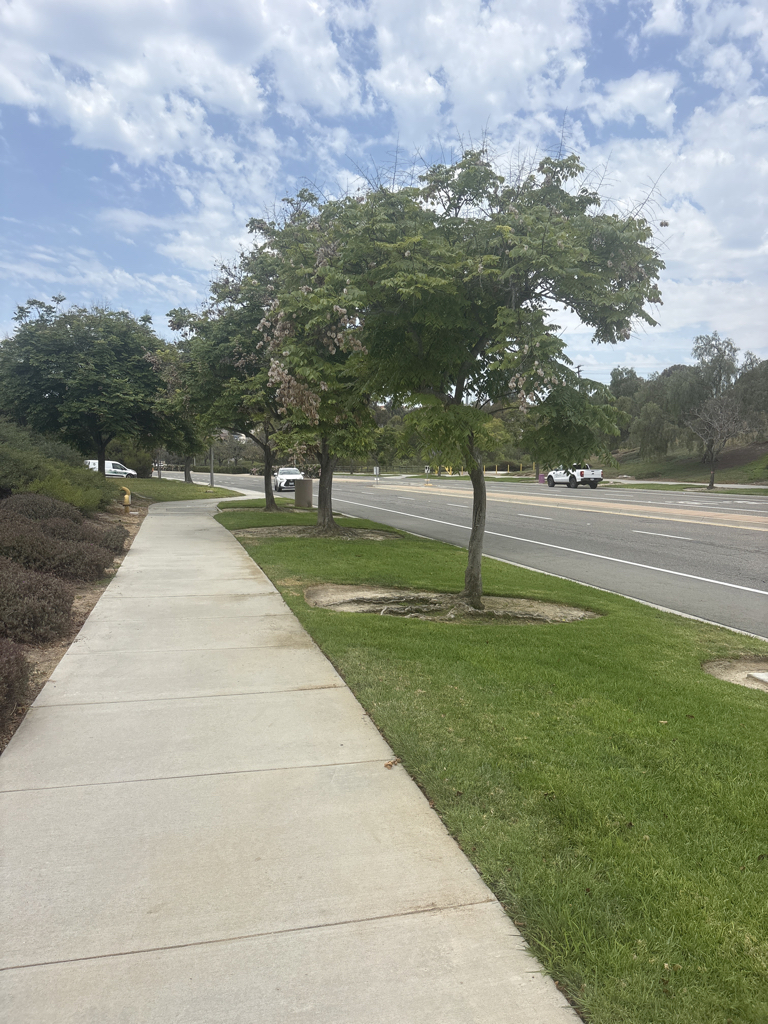
Healthy trees require more than occasional maintenance.
Their long-term condition depends on the interaction between roots, soil, water, nutrients, pests, diseases, and environmental conditions.
Tree health management is a proactive approach that evaluates these factors together and creates a strategy for maintaining tree vitality over time.
At TreeLife CA, our certified arborists use professional assessments and customized management strategies to help residential, commercial, municipal, and development properties maintain healthier trees throughout Southern California.
What Is Tree Health Management?
Tree health management is the ongoing process of evaluating tree condition, identifying potential problems, and addressing the environmental and biological factors that influence long-term health.
A management program may include:
- Tree assessments
- Soil evaluation
- Nutrient management
- Irrigation recommendations
- Pest monitoring
- Disease management
- Root zone care
- Environmental modifications
The goal is to address underlying conditions rather than simply respond to visible symptoms.
Why Is Long-Term Tree Management Important?
Tree problems often develop gradually.
A tree may experience years of environmental stress before showing obvious canopy decline or branch dieback.
Proactive management can help property owners:
- Detect problems earlier
- Reduce unnecessary stress
- Support healthy growth
- Improve resilience
- Extend tree lifespan
- Protect valuable mature trees
Regular monitoring also allows management strategies to change as tree and site conditions evolve.
The Key Components of Tree Health Management
Tree Health Assessments
Professional evaluations establish the tree's current condition and identify potential concerns.
Soil and Root Zone Management
Healthy roots depend on suitable soil conditions. Addressing compaction, drainage, or restricted rooting areas can improve the growing environment.
Nutrient Management
Trees growing in urban environments may experience nutrient limitations. Soil analysis and customized nutrient strategies can help address specific deficiencies.
(Tree Nutrient Management Services)
Pest and Disease Monitoring
Early identification of pest or disease activity can help prevent problems from becoming more severe.
Environmental Factors That Affect Tree Health
Southern California trees can experience significant environmental pressure from:
- Drought
- Extreme heat
- Poor irrigation
- Soil compaction
- Construction
- Limited root space
- Poor drainage
Effective management considers these factors alongside the condition of the tree itself.
Why Prevention Is Better Than Reactive Tree Care
Waiting until a tree shows severe decline can limit management options.
A proactive approach focuses on identifying potential problems early and correcting conditions that contribute to stress.
This doesn't mean every tree requires a complex treatment program. Instead, management should be based on the tree's species, condition, site, and long-term goals.
Who Benefits From Tree Health Management?
Professional management can benefit:
- Homeowners
- Commercial property owners
- HOAs
- Property managers
- Municipalities
- Developers
- Institutional properties
It can be especially valuable for properties with mature, high-value, or historically significant trees.
How TreeLife Approaches Tree Health Management
TreeLife CA combines consulting arborist expertise with specialized tree health care services.
Our services include:
- Tree Assessment
- Cultural Modification
- Tree Nutrient Management
- Tree Pest Control
- Tree Disease Treatment
- Consulting Arborist Services
Our recommendations are developed around the specific tree, site conditions, and long-term management objectives.
(Consulting Arborist Services)
When to Start a Tree Health Management Program
You don't need to wait until a tree is visibly declining.
A professional evaluation can be useful when:
- Managing mature trees
- Planning development
- Dealing with recurring pest problems
- Trees show unexplained stress
- Soil or irrigation conditions have changed
- You want to establish a long-term care strategy
When to Contact a Certified Arborist
If your trees are showing unexplained stress, recurring pest or disease problems, declining vigor, or changes associated with soil, irrigation, or construction, a certified arborist can help evaluate the underlying conditions.
TreeLife CA provides:
- Tree Health Care Services
- Tree Assessment Services
- Tree Nutrient Management
- Tree Pest Control Services
- Consulting Arborist Services
Our certified arborists work with residential, commercial, HOA, municipal, development, and institutional properties throughout Southern California.
Build a Long-Term Strategy for Healthier Trees
Tree health management starts with understanding the conditions affecting your trees.
TreeLife CA provides professional assessments and customized tree health care strategies throughout San Diego County and Southern California.
Related Services
- Tree Health Care Services
- Tree Assessment Services
- Tree Nutrient Management
- Tree Pest Control Services
- Consulting Arborist Services
Request a Consultation
Speak with a certified arborist about developing a long-term strategy for your trees.
Frequently Asked Questions About Tree Health Management
What is tree health management?
Tree health management is a proactive approach to maintaining tree vitality by evaluating tree condition, soil, roots, pests, disease, irrigation, and environmental factors.
Why is tree health management important?
It helps identify problems early, reduce environmental stress, support tree vitality, and develop long-term care strategies.
What does a tree health management program include?
Depending on the property, it may include assessments, soil and root management, nutrient planning, pest monitoring, disease management, and environmental modifications.
Can tree health management prevent tree decline?
Proactive management can reduce many factors that contribute to decline, although no management program can eliminate every potential tree health risk.
When should I start managing my trees?
The best time is before serious problems develop. A professional assessment can help establish an appropriate management strategy based on the tree and site conditions.