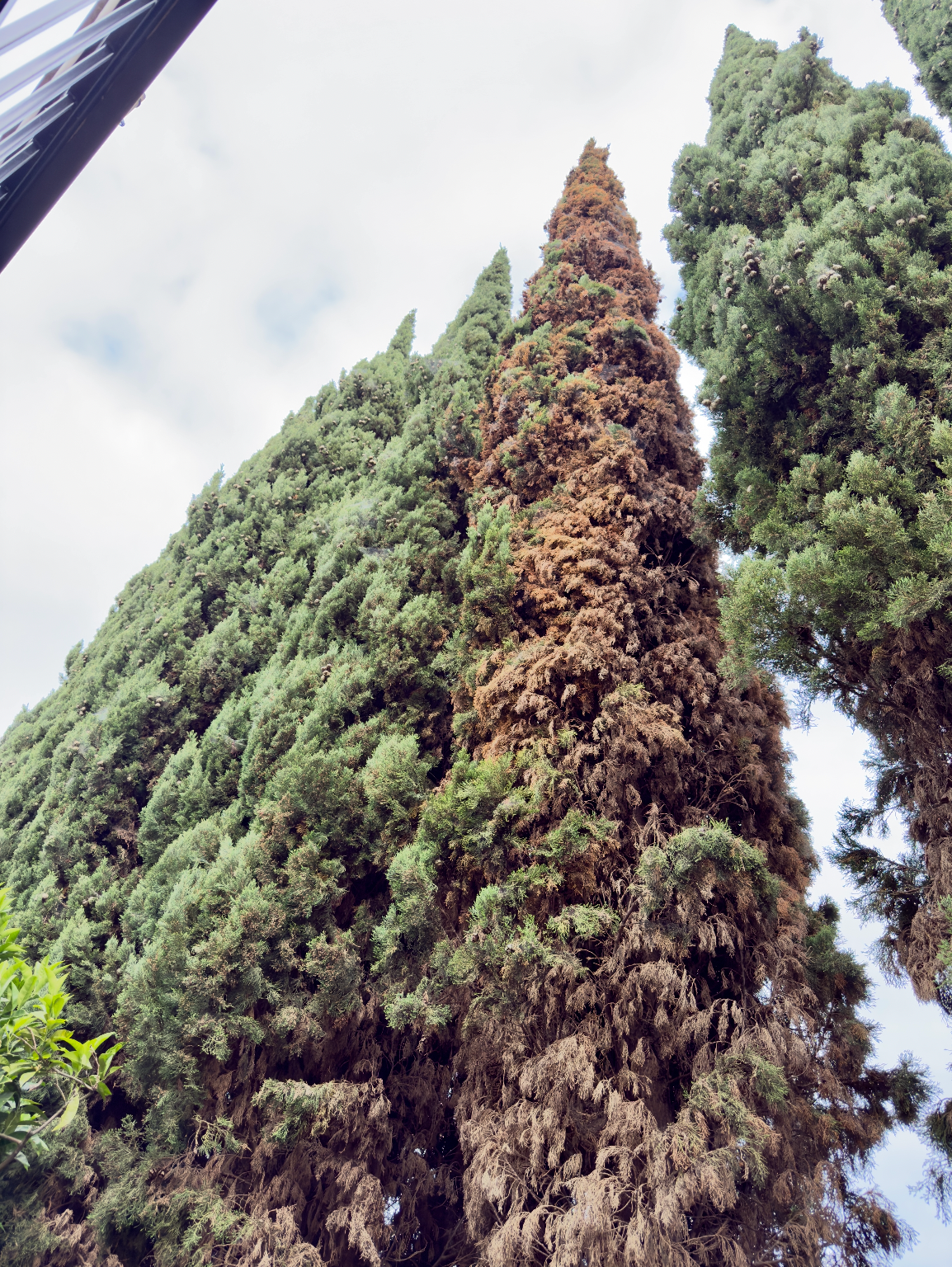
Tree problems are not always easy to identify from what you can see above the ground. Yellowing leaves, dead branches, poor growth, or unusual insect activity can have multiple causes, making proper tree diagnosis an important first step before deciding on treatment.
Professional arborists evaluate the tree, its symptoms, and the conditions surrounding it to determine what may be affecting its health.
At TreeLife CA, tree assessment includes inspection, diagnosis, risk analysis, and recommendations, helping property owners understand the underlying conditions affecting their trees.
What Is Tree Diagnosis?
Tree diagnosis is the process of identifying the underlying cause of a tree's symptoms or decline.
A tree may show similar symptoms for very different reasons. For example, discolored foliage could be related to environmental stress, nutrient limitations, pests, disease, or irrigation problems.
A proper diagnosis therefore looks beyond the visible symptom and considers the tree's overall condition and growing environment.
What Do Arborists Look for When Diagnosing a Tree?
An arborist may evaluate several aspects of the tree and its surroundings, including:
- Canopy condition
- Foliage color and density
- Dead or declining branches
- Trunk and bark condition
- Signs of insects or disease
- Soil conditions
- Irrigation and drainage
- Root zone conditions
- Environmental or construction stress
These observations help establish a clearer picture of what may be affecting the tree.
Why Symptoms Alone Don't Tell the Whole Story
One of the most important parts of tree diagnosis is distinguishing between a symptom and its underlying cause.
For example, a declining canopy does not necessarily mean that a tree has a disease. The decline could be associated with drought stress, poor soil conditions, root damage, pest activity, or another environmental factor.
Treating only the visible symptom without understanding its cause may fail to address the underlying problem.
This is why professional tree health care considers environmental conditions alongside pests, diseases, and other potential stress factors.
How Arborists Diagnose Tree Problems
A professional diagnosis may involve several stages.
1. Visual Inspection
The arborist evaluates the tree's structure, canopy, trunk, branches, and visible signs of stress or damage.
2. Symptom Analysis
Observed symptoms are considered together rather than in isolation. The timing, location, and progression of the symptoms can provide important clues.
3. Environmental Evaluation
Conditions around the tree can influence its health. Arborists may consider soil, irrigation, drainage, available root space, and other environmental factors.
4. Testing When Necessary
Depending on the situation, additional testing or analysis may be appropriate to help determine the cause of a problem.
TreeLife's disease diagnosis approach includes visual inspection, testing, and expert analysis when evaluating potential tree diseases.
5. Recommendations
Once the problem is better understood, the arborist can recommend appropriate management strategies based on the tree's condition and site.
Tree Diagnosis vs. Tree Health Assessment
These terms are related but not identical.
A tree health assessment evaluates the overall condition and vitality of a tree, while tree diagnosis focuses more specifically on identifying the potential cause of a particular symptom or problem.
A professional tree assessment may include diagnosis as part of the overall evaluation process. TreeLife's assessment structure specifically includes inspection, diagnosis, risk analysis, and recommendations.
(Tree Health Assessment Services)
When Should You Have a Tree Diagnosed?
Consider professional evaluation when you notice unexplained changes such as:
- Sudden leaf discoloration
- Significant canopy thinning
- Dead or declining branches
- Unusual insect activity
- Bark abnormalities
- Poor growth
- Fungal growth
- Symptoms that continue despite changes in watering or care
Early evaluation can help identify potential problems before they become more difficult to manage.
Why Professional Diagnosis Matters for Long-Term Tree Health
A diagnosis should not only answer "What is wrong with my tree?" It should also help answer "Why is this happening?"
Understanding the underlying cause can support better tree management and help determine whether the tree needs pest management, disease treatment, nutrient management, cultural modification, irrigation adjustments, or additional assessment.
TreeLife CA approaches tree health care through multiple strategies, including cultural modification, nutrient management, pest control, and disease treatment.
Not Sure What's Affecting Your Tree?
Don't rely on a visible symptom alone. The same sign can have multiple causes, and identifying the underlying problem is an important step toward effective tree management.
TreeLife CA provides professional tree assessment, diagnosis, and tree health care services throughout San Diego County and Southern California.
Related Services
- Tree Assessment Services
- Tree Health Care Services
- Tree Disease Treatment
- Tree Pest Control
- Tree Nutrient Management
Request a Consultation
Have you noticed an unexplained change in one of your trees?
Speak with a TreeLife CA arborist to evaluate the symptoms, identify potential causes, and determine appropriate next steps.
Frequently Asked Questions About Tree Diagnosis
What is tree diagnosis?
Tree diagnosis is the process of identifying the underlying cause of symptoms or changes affecting a tree's health.
How do arborists diagnose tree problems?
Arborists evaluate visible symptoms, tree structure, environmental conditions, soil, irrigation, pests, diseases, and other potential factors. Additional testing may be used when appropriate.
What are common signs that a tree has a problem?
Common signs include discolored foliage, canopy thinning, dead branches, poor growth, bark abnormalities, fungal growth, and unusual insect activity.
Is tree diagnosis the same as a tree health assessment?
No. A tree health assessment evaluates the broader condition of a tree, while diagnosis focuses on identifying the potential cause of a specific problem. Diagnosis can be part of a comprehensive tree assessment.
Can environmental conditions cause tree problems?
Yes. Soil conditions, irrigation, root space, drought, construction impacts, and other environmental factors can influence tree health. TreeLife's cultural modification approach specifically considers these conditions when developing tree health strategies.