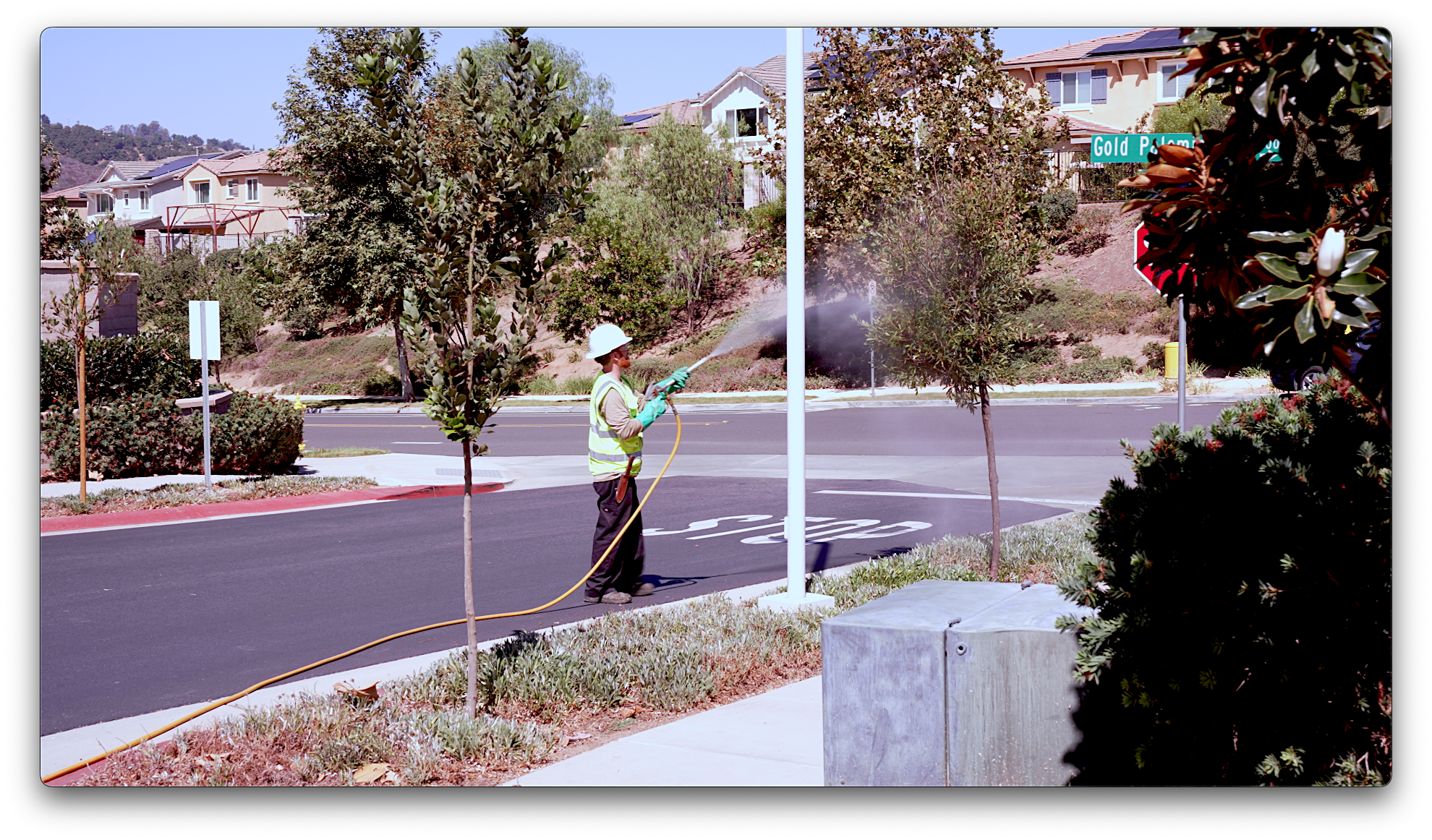
Tree insect management is more than treating insects after they appear. It is a proactive approach to identifying pests, understanding why they are affecting a tree, and developing a treatment strategy that protects long-term tree health.
Southern California trees can be exposed to a wide range of insects, including invasive insects, beetles, and borers that can damage foliage, branches, bark, or other parts of a tree.
Because similar symptoms can have very different causes, proper identification is an important first step. TreeLife CA approaches insect management through pest identification, assessment of severity, targeted treatment strategies, and monitoring.
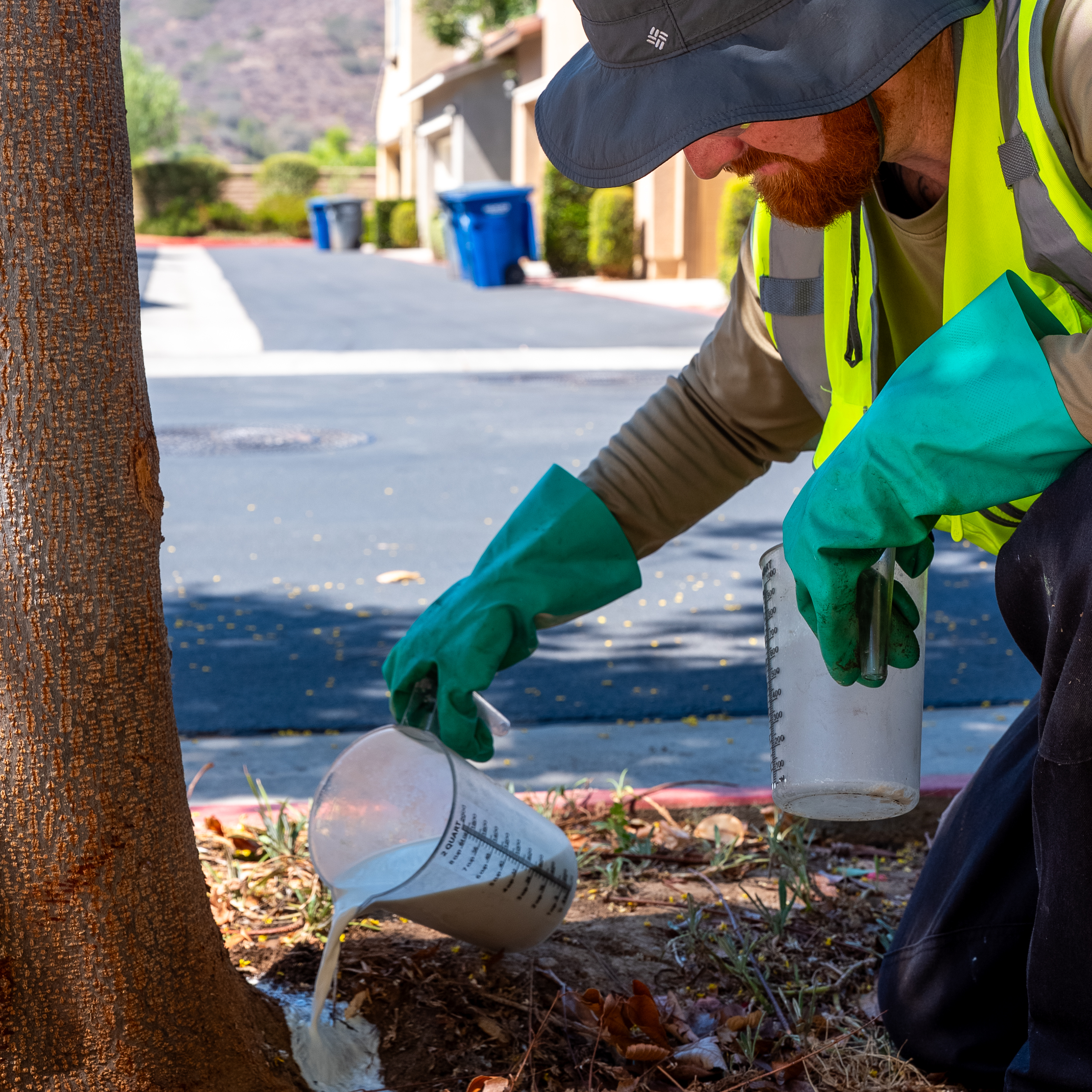
What Is Tree Insect Management?
Tree insect management is the process of identifying, evaluating, and managing insects that may threaten tree health.
Rather than automatically treating every visible insect, professional management considers:
- What insect is present
- Where the insect is affecting the tree
- How severe the infestation is
- The tree's current health
- Environmental conditions
- Appropriate treatment options
- Long-term prevention and monitoring
This approach helps ensure that management decisions are based on the actual cause of the problem.
Why Proper Pest Identification Matters
Not every insect found on a tree is harmful. Some insects may have little impact on tree health, while others can cause significant damage if populations increase.
Correct identification helps determine whether action is necessary and what type of response may be appropriate.
For example, TreeLife's tree pest control process includes inspection, pest identification, and severity analysis before developing a treatment plan.
Common Signs of an Insect Problem
Different pests produce different symptoms, but property owners may notice changes such as:
- Unusual leaf damage
- Defoliation or thinning canopy
- Holes in bark or branches
- Frass or insect debris
- Dieback
- Discolored foliage
- Visible insects or larvae
- Changes in overall tree vitality
These signs do not automatically indicate an insect infestation. Environmental stress, disease, soil problems, or irrigation issues can sometimes produce similar symptoms.
That is why diagnosing the underlying problem is an important part of tree health care.
How Tree Insect Management Supports Tree Health
Insect pressure can become more significant when a tree is already experiencing environmental stress.
Drought, poor soil conditions, root problems, and inadequate irrigation can affect a tree's overall resilience. Addressing these underlying conditions can therefore be an important part of long-term tree management.
TreeLife's tree health care services combine pest control with other strategies, including cultural modification, nutrient management, and disease treatment.
What Does a Professional Tree Insect Management Plan Include?
A management strategy depends on the pest, tree species, infestation severity, and site conditions.
A professional process may include:
- Tree inspection – Evaluate the tree and identify visible symptoms.
- Pest identification – Determine which insect is responsible.
- Severity analysis – Assess the extent of the infestation and potential impact.
- Treatment planning – Select an appropriate management strategy.
- Monitoring – Evaluate the tree and pest activity over time.
TreeLife's approach focuses on targeted treatment plans, appropriate applications, and monitoring rather than applying the same solution to every pest problem.
Prevention and Integrated Pest Management
Effective tree insect management can also include preventative strategies.
Integrated Pest Management (IPM) focuses on understanding the pest, monitoring its activity, and using appropriate management practices based on the specific situation.
For TreeLife, sustainable pest management is also part of cultural modification strategies, alongside irrigation, soil improvement, mulching, and long-term tree health planning.
This broader approach is important because managing insects without addressing underlying tree stress may not provide a long-term solution.
Tree Insect Management in Southern California
Southern California's urban forest contains many tree species that can be affected by insects, including invasive pests, beetles, and borers.
Property owners in San Diego County and surrounding communities may benefit from monitoring their trees for unusual changes and seeking professional evaluation when symptoms appear.
Early identification can help property owners understand what is happening before deciding whether treatment or additional tree health care is appropriate.
Seeing Unusual Insect Activity on Your Trees?
Don't guess at the cause of declining foliage, holes, or insect activity.
TreeLife CA provides professional tree pest identification, assessment, treatment planning, and ongoing tree health care throughout San Diego County and Southern California.
Related Services
- Tree Pest Control Services
- Tree Health Care Services
- Tree Assessment Services
- Cultural Modification Plans
Request a Consultation
Have you noticed unusual insects, leaf damage, or declining tree health?
Speak with a TreeLife CA arborist to evaluate the problem and determine the appropriate next steps.
Frequently Asked Questions About Tree Insect Management
What is tree insect management?
Tree insect management involves identifying harmful insects, evaluating their impact on a tree, developing an appropriate treatment strategy, and monitoring the situation over time.
How do I know if my tree has an insect infestation?
Possible signs include unusual leaf damage, defoliation, holes, frass, dieback, visible insects, or declining tree vitality. However, these symptoms can also have other causes, so professional identification may be necessary.
Should I treat every insect I find on my tree?
No. Not every insect is harmful, and treatment decisions should be based on proper identification and an evaluation of the tree and infestation.
Can tree stress make insect problems worse?
Environmental factors such as poor soil conditions, drought, or inadequate irrigation can contribute to overall tree stress. Managing these conditions is an important component of comprehensive tree health care.
What does a tree pest control professional do?
A professional evaluates the tree, identifies the pest, determines the severity of the problem, and develops a targeted treatment and monitoring strategy based on the specific situation.