7 Signs Your Tree Is Diseased and Needs Immediate Attention
Tree diseases can progress quickly, often becoming severe before property owners notice the problem. Early detection is critical to protecting tree health and avoiding costly interventions.
In this guide, we outline the most common signs of tree disease and what steps you should take if you identify them.
Why Early Detection Matters
Tree diseases weaken structural integrity and reduce a tree’s ability to recover from environmental stress.
If left untreated, they can:
- Spread to nearby trees
- Lead to branch or tree failure
- Increase safety risks
👉 Trees showing visible symptoms are often already in an advanced stage of decline.
7 Common Signs Your Tree May Be Diseased
1. Leaf Discoloration
Yellowing, browning, or spotted leaves can indicate nutrient deficiencies or disease.
2. Dead or Dying Branches
Branches without leaves during the growing season are a strong warning sign.
3. Fungal Growth
Mushrooms or fungal structures at the base of the tree often indicate internal decay.
4. Cracked or Peeling Bark
Damage to bark can expose the tree to infections.
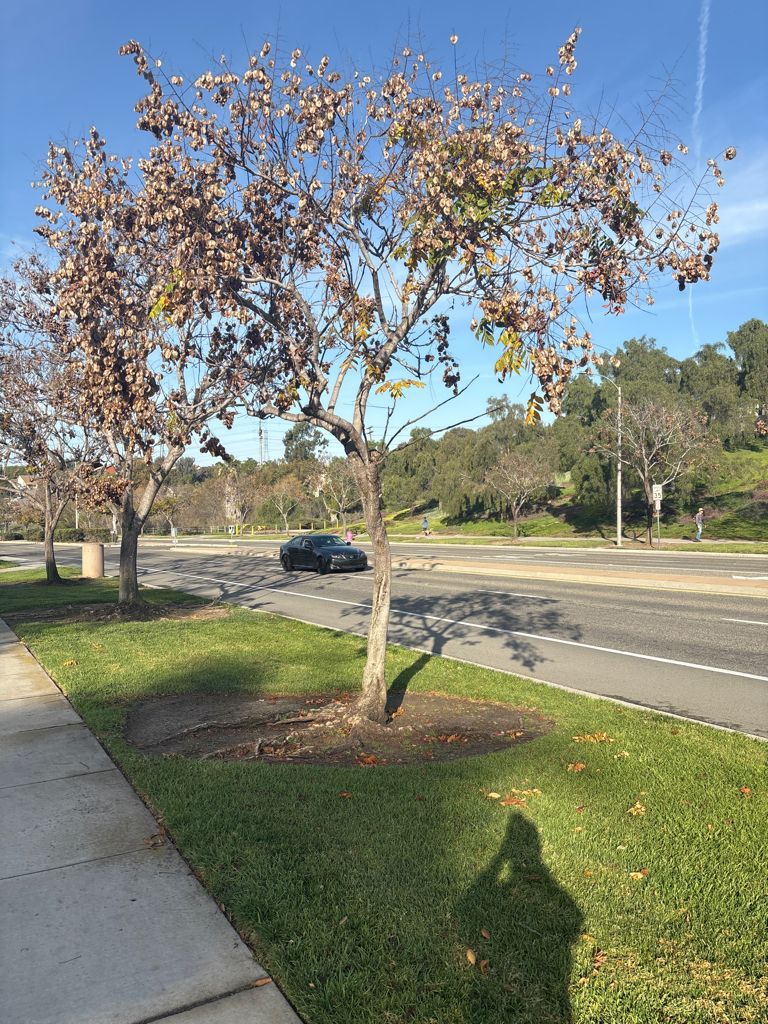
5. Unusual Leaf Drop
Out-of-season leaf loss suggests stress or disease.
6. Weak or Sparse Canopy
Reduced foliage density indicates declining health.
7. Visible Pest Activity
Pests often accompany or worsen tree diseases.
👉 If more than 25–30% of your tree shows these symptoms, immediate evaluation is recommended.
What Causes Tree Diseases in Southern California?
Tree diseases are often linked to environmental stress rather than a single cause.
Common factors include:
- Drought conditions
- Poor soil quality
- Overwatering
- Pest infestations
What to Do If You Suspect a Tree Disease
Taking early action can prevent irreversible damage.
Step 1: Avoid Immediate Removal
Not all diseased trees need to be removed.
Step 2: Get a Professional Diagnosis
Accurate identification is critical for effective treatment.
👉 Learn more about professional diagnosis and solutions:
https://www.treelifeca.com/tree-disease-treatment-southern-california
Treatment Options for Diseased Trees
Depending on the condition, treatment may include:
Nutrient Management
Improves tree resilience
Pest Control
Eliminates contributing infestations
Cultural Modification
Improves environmental conditions
👉 Explore Tree Health Care Services here:
https://www.treelifeca.com/tree-health-care-southern-california
When a Tree Becomes a Safety Risk
In advanced stages, diseased trees may become unstable.
Warning signs include:
- Leaning
- Large dead branches
- Root damage
At this stage, immediate professional evaluation is necessary.
👉 A structurally compromised tree can fail without warning.
How TreeLife Diagnoses Tree Diseases
TreeLife uses a structured diagnostic process that includes:
- Visual inspection
- Environmental analysis
- Species-specific evaluation
This ensures accurate diagnosis and targeted treatment.
Preventing Tree Diseases
Preventive care is the most effective long-term strategy.
Best practices include:
- Proper irrigation
- Soil management
- Regular monitoring
Tree diseases rarely resolve on their own. Acting early allows you to preserve tree health and avoid costly interventions.
A professional evaluation ensures that the correct treatment is applied before the problem escalates.
👉 Schedule a tree health evaluation with TreeLife today:
https://www.treelifeca.com/contact-arborist-southern-california