Pest Notes Vol. 5: Dotted Paropsine Leaf Beetle Alert in California
The dotted paropsine leaf beetle, an invasive eucalyptus pest native to Australia, is rapidly spreading across Southern California and causing significant damage to eucalyptus trees throughout the region.
First identified in California in 2022, this aggressive beetle has already expanded through Los Angeles, Orange County, San Diego County, and San Bernardino County. Both adult beetles and larvae feed aggressively on eucalyptus foliage, often causing severe defoliation and long-term tree stress.
Without early identification and proper tree health care treatment, repeated infestations may contribute to branch decline, canopy thinning, and potential tree mortality in vulnerable eucalyptus species.
At TreeLife CA, our certified arborists continue monitoring the spread of this invasive pest while developing effective eucalyptus tree pest control and treatment strategies for Southern California landscapes.
What Is the Dotted Paropsine Leaf Beetle?
The dotted paropsine leaf beetle is an invasive insect species that targets eucalyptus trees and feeds heavily on foliage during both its adult and larval stages.
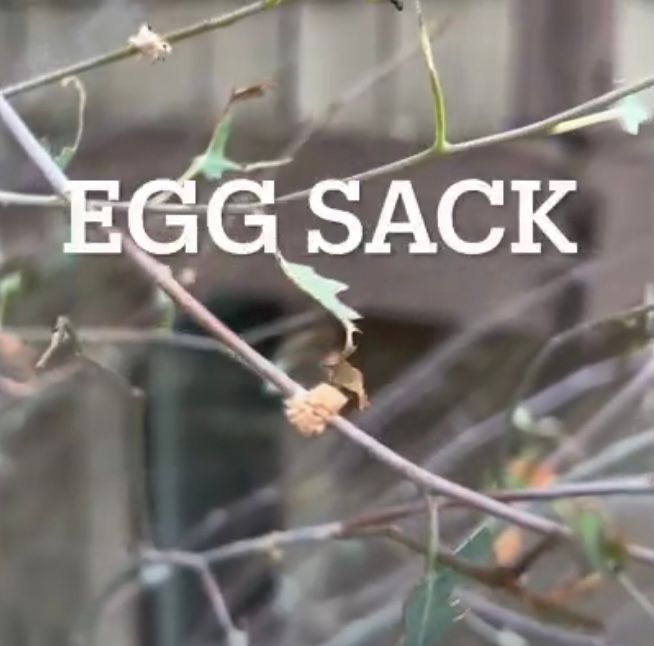
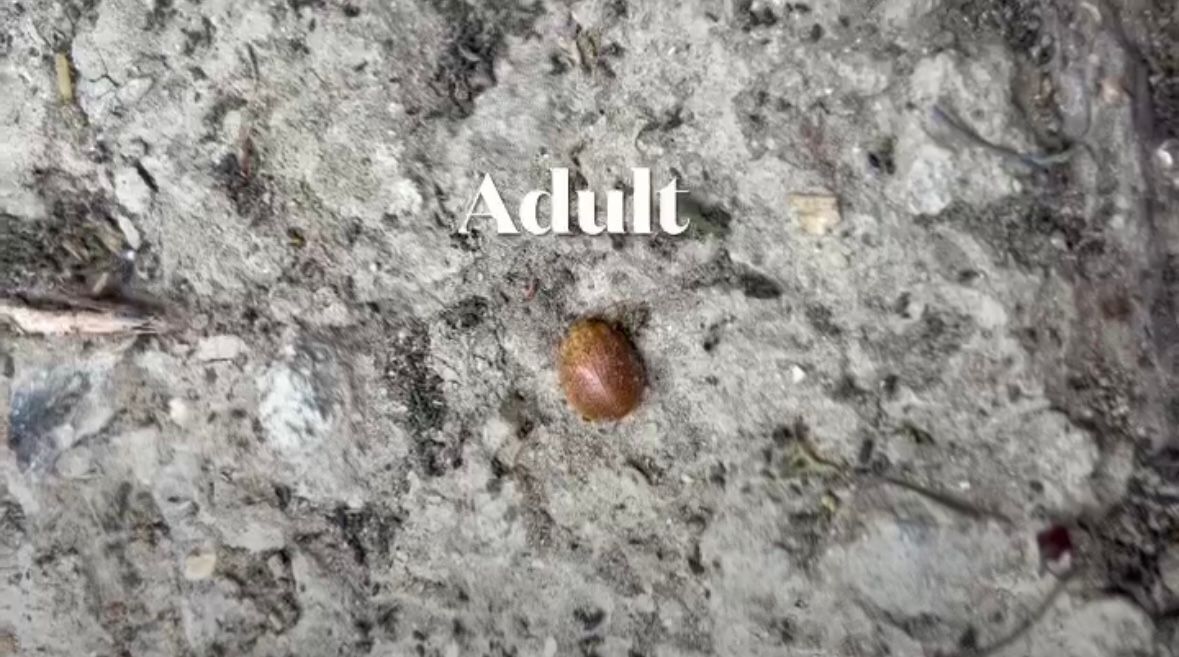
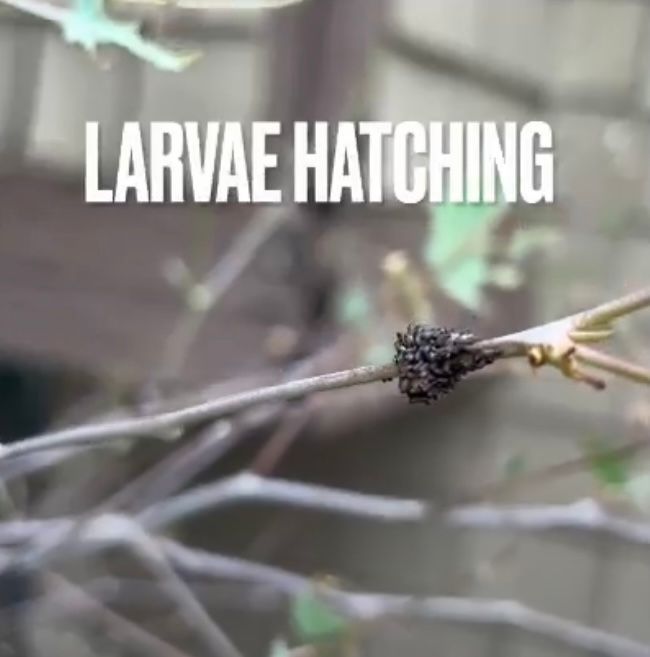
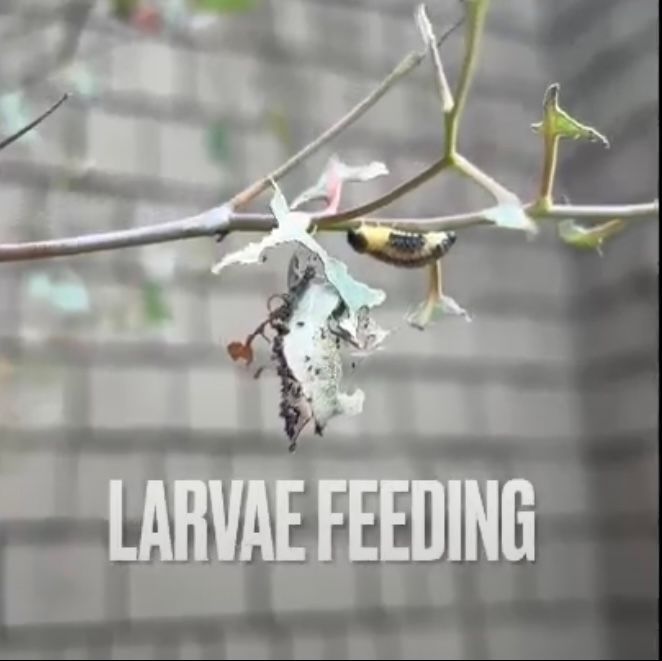
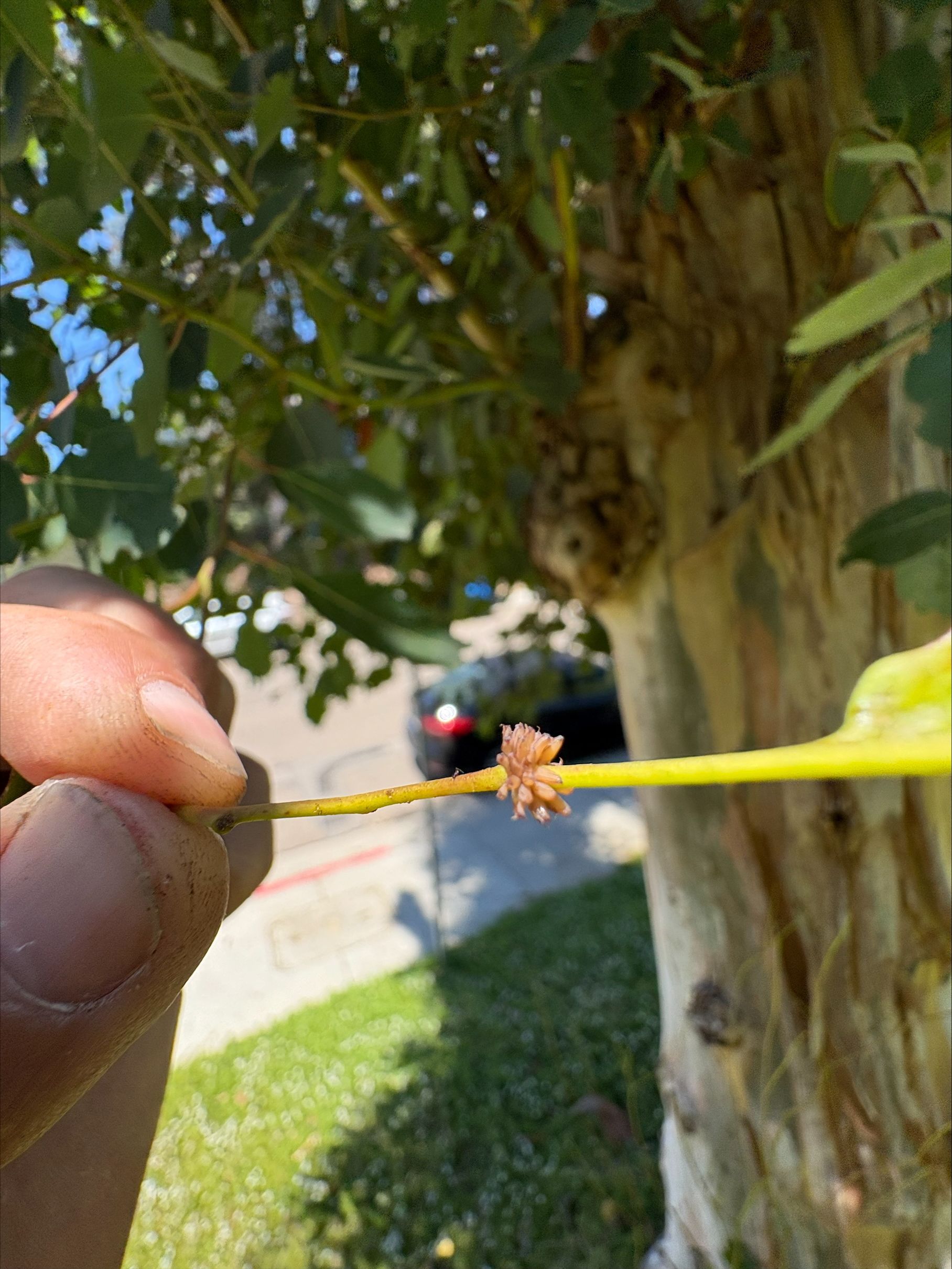
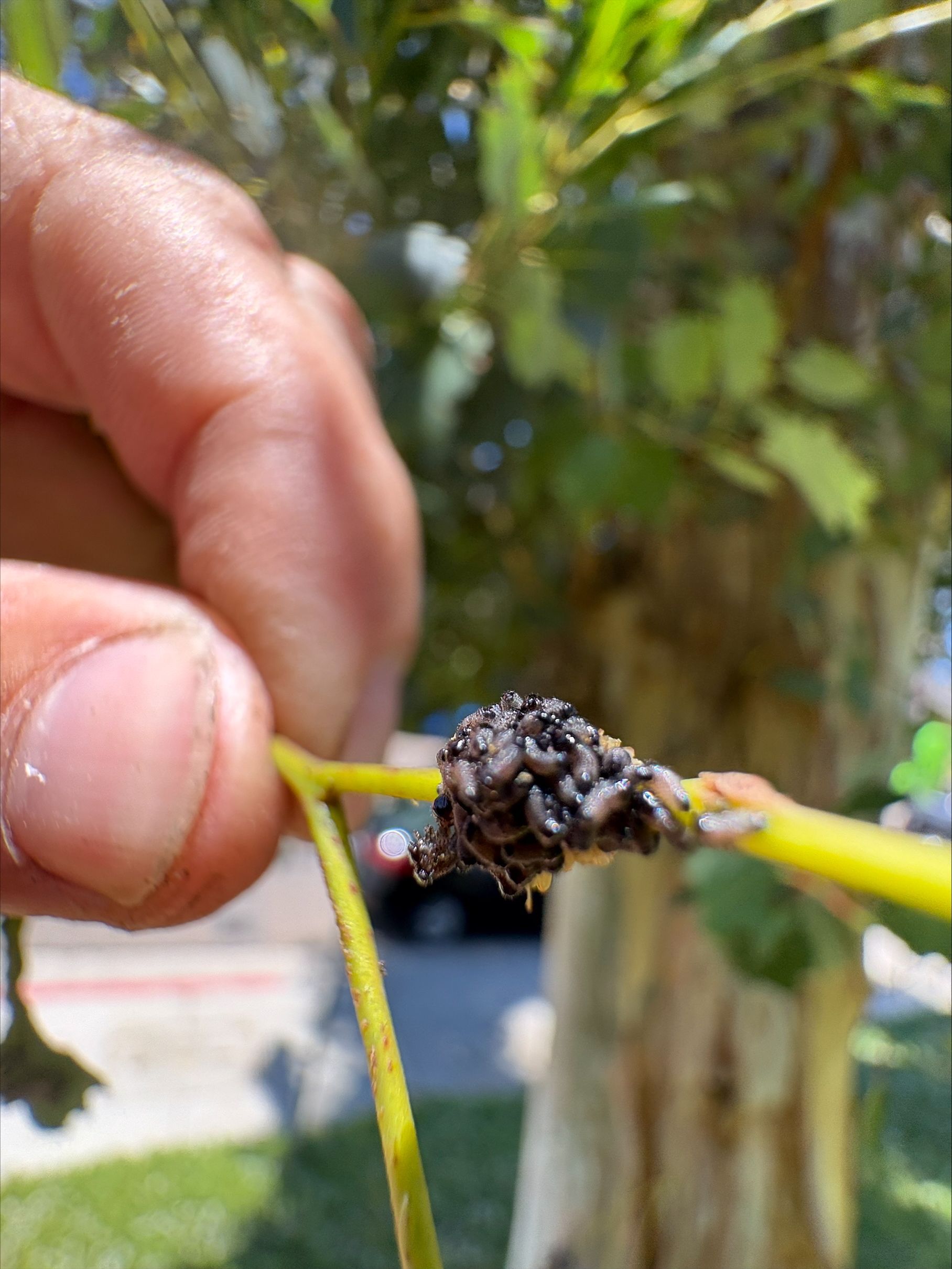
Adult beetles are oval-shaped and measure approximately 3/8 of an inch in length. They feature yellow and orange coloration with distinct black spots across their wings. Females lay clusters of eggs in circular formations along eucalyptus stems and leaves. The eggs are pinkish in color and hatch into yellow larvae with black markings that become more pronounced as they mature.
As larvae develop, they consume large quantities of eucalyptus foliage before dropping to the ground to pupate. Arborists have observed that the beetle reproduces rapidly and can complete multiple generations each year in Southern California climates.
Why This Invasive Beetle Is a Serious Threat to Eucalyptus Trees?
Unlike many previously known eucalyptus pests in California, the dotted paropsine leaf beetle has demonstrated an unusually broad host range and aggressive feeding behavior.
The pest has already been documented affecting more than 20 eucalyptus species, including:
- Eucalyptus citriodora (Lemon-Scented Gum)
- Eucalyptus globulus (Blue Gum)
- Eucalyptus camaldulensis (Red Gum)
- Eucalyptus polyanthemos (Silver Dollar Gum)
- Eucalyptus sideroxylon (Red Ironbark)
- Eucalyptus cladocalyx (Sugar Gum)
Repeated infestations may weaken trees significantly over time, especially when combined with environmental stress, poor soil conditions, drought stress, or improper irrigation practices.
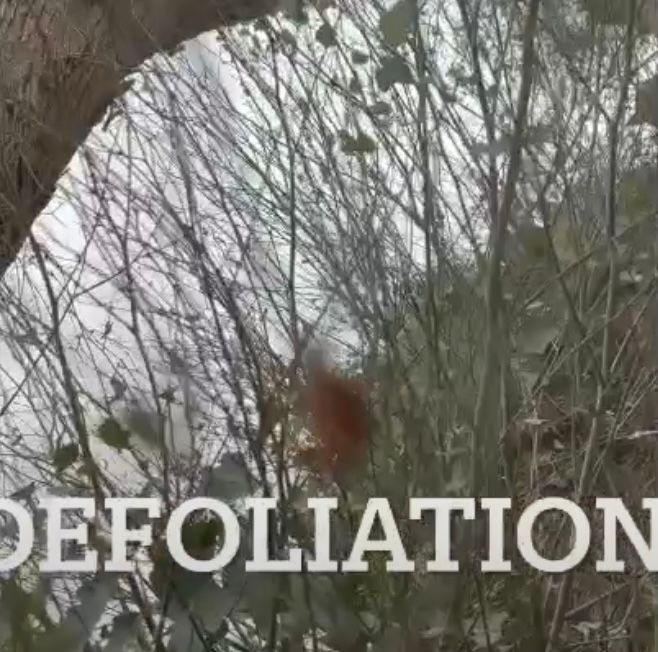
In severe cases, entire canopies may become completely defoliated.
Signs of Dotted Paropsine Beetle Damage
Property owners may first notice irregular leaf damage, thinning canopy growth, or unusual larvae activity beneath eucalyptus trees.
Common signs of infestation include:
- Rapid leaf defoliation
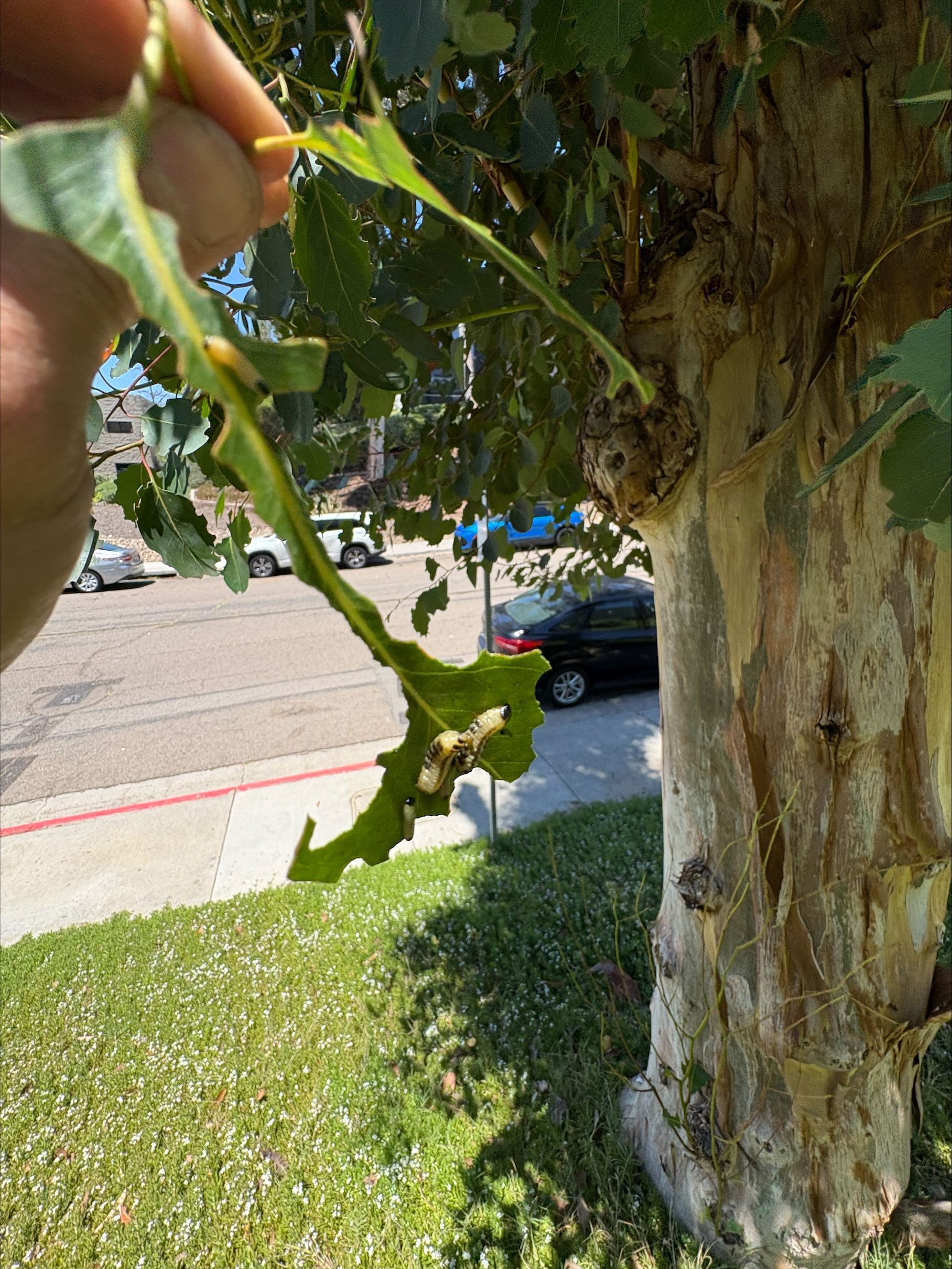
- Yellow and black striped larvae
- Clusters of pink egg masses on leaves and stems
- Premature leaf drop
- Visible chewing damage throughout the canopy
- Increased tree stress during warm seasons
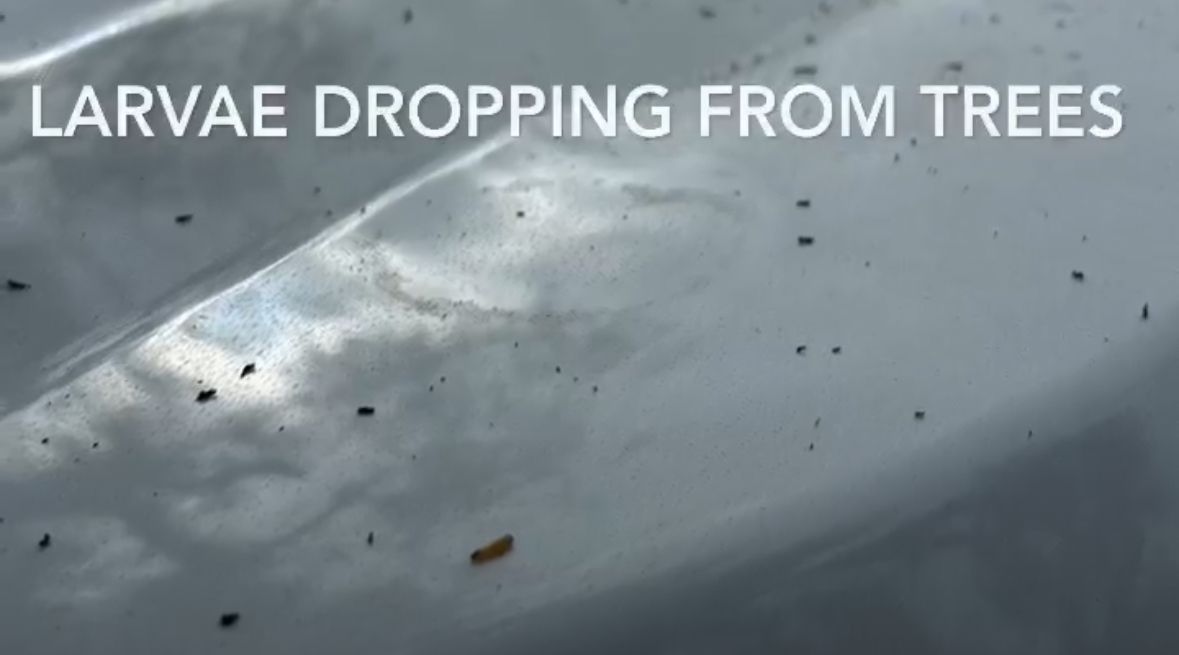
In heavy infestations, larvae may appear in extremely large numbers beneath affected trees. TreeLife investigators have documented situations where larvae were visibly falling from heavily infested eucalyptus canopies onto sidewalks, vehicles, and surrounding landscapes below.
How Fast Is the Beetle Spreading in Southern California?
Since its discovery in Los Angeles County in 2022, the dotted paropsine leaf beetle has expanded rapidly throughout Southern California urban forests.
TreeLife arborists and industry professionals have documented infestations across:
- Los Angeles County
- Orange County
- San Diego County
- San Bernardino County
Because eucalyptus trees are commonly planted throughout Southern California landscapes, arborists expect continued spread unless proactive tree health care and pest management strategies are implemented.
The beetle’s ability to reproduce quickly and adapt to multiple eucalyptus species makes early detection especially important for property owners, municipalities, HOAs, and commercial landscapes.
Tree Health and Pest Management Strategies
As with many invasive tree pests, overall tree health plays a major role in how susceptible eucalyptus trees become to infestation and long-term decline.
Recommended Tree Health Practices
- Proper irrigation practices
- Soil analysis and optimization
- Root zone management
- Mulching applications
- Soil decompaction
- Identifying and correcting underlying environmental stress factors
At this time, no established biological control program has been widely implemented for this invasive beetle in California. However, professional arborists continue evaluating treatment strategies and monitoring emerging management approaches.

Professional Eucalyptus Tree Pest Treatment Options
Chemical treatment options for dotted paropsine leaf beetle infestations are currently available and may be highly effective when properly applied.
At TreeLife CA, our team has worked alongside industry partners and conducted in-house evaluations to compare treatment methods, chemistry performance, and long-term efficacy under Southern California conditions.
Treatment strategies may vary depending on:
- Tree species
- Infestation severity
- Site conditions
- Tree health status
- Irrigation and soil conditions
- Environmental stress factors
Our approach focuses not only on managing the active infestation, but also on improving the overall resilience and long-term health of affected trees.
When to Contact a Certified Arborist
If your eucalyptus trees are showing signs of canopy thinning, defoliation, insect activity, or overall decline, early intervention may help prevent more severe damage.
TreeLife CA provides professional:
- Tree Health Care Services
- Tree Pest Control Services
- Consulting Arborist Services
- Tree Assessment Services
Our certified arborists work with residential properties, commercial landscapes, HOAs, municipalities, and development projects throughout Southern California.
Concerned About Eucalyptus Tree Damage in Southern California?
Don’t wait until severe defoliation impacts the long-term health and structure of your trees.
TreeLife CA provides professional eucalyptus tree assessments, invasive pest treatment strategies, and tree health care services throughout San Diego County and Southern California.
Related Services
- Tree Health Care Services
- Tree Pest Control Services
- Consulting Arborist Services
- Tree Assessment Services
Request a Consultation
Speak with a certified arborist to evaluate your eucalyptus trees and develop a customized treatment strategy.
Frequently Asked Questions About Dotted Paropsine Beetles
What trees are affected by the dotted paropsine leaf beetle?
The beetle primarily targets eucalyptus species commonly planted throughout Southern California landscapes.
Can eucalyptus trees recover from severe defoliation?
Many trees can recover if infestations are identified early and appropriate treatment and tree health care strategies are implemented.
How do arborists treat eucalyptus beetle infestations?
Treatment options may include systemic treatments, monitoring programs, soil improvement strategies, irrigation correction, and integrated pest management practices.
Is the dotted paropsine beetle spreading in San Diego County?
Yes. Arborists and tree health professionals continue documenting increasing activity throughout San Diego County and other parts of Southern California.
When should I contact an arborist about eucalyptus pests?
Property owners should contact a certified arborist as soon as they notice canopy thinning, unusual leaf damage, excessive larvae activity, or signs of declining tree health.