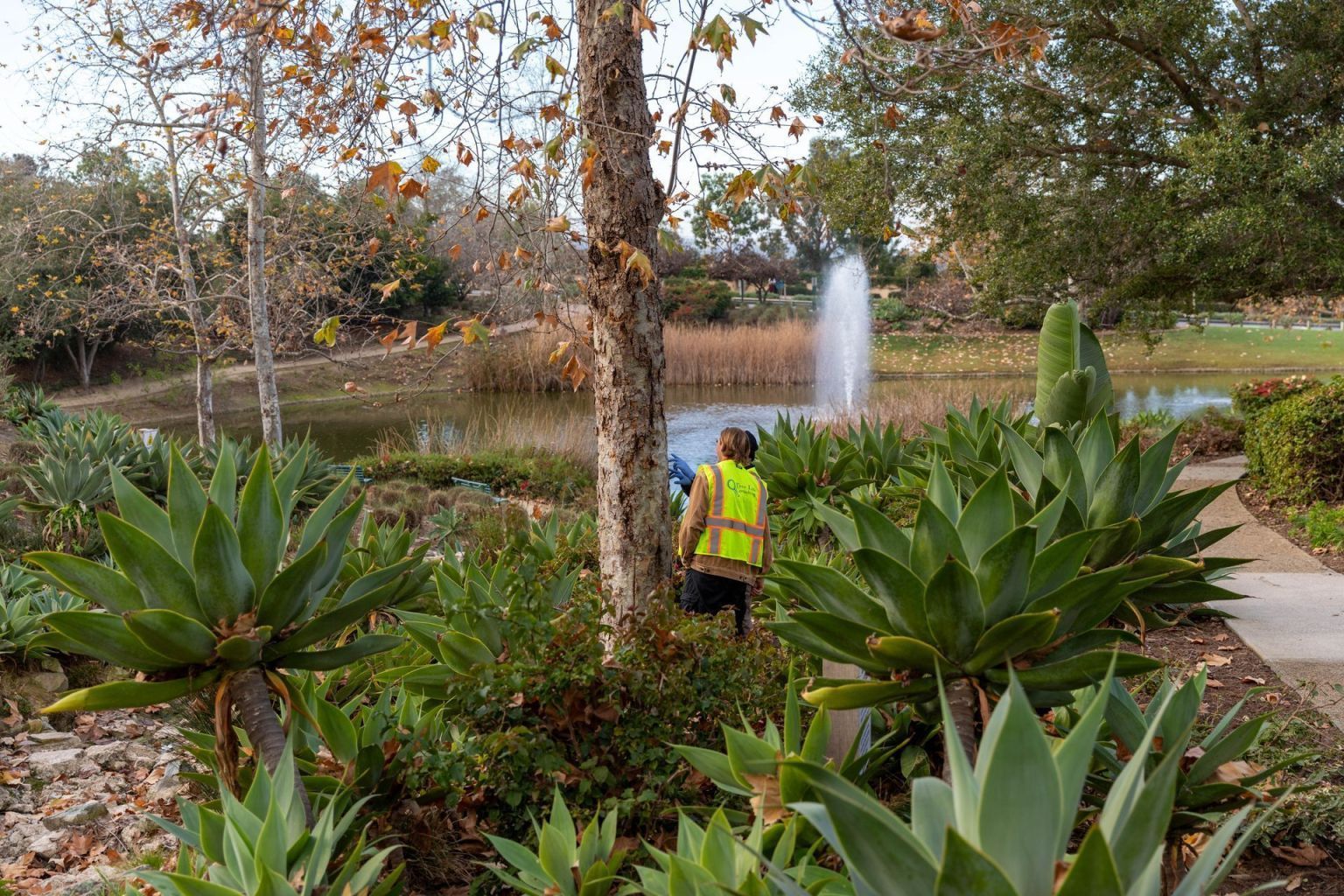
Pest Notes Vol. 8: Eucalyptus Longhorned Borer in Southern California
The eucalyptus longhorned borer is a serious pest affecting eucalyptus trees throughout California.
Two closely related species, Phoracantha semipunctata and Phoracantha recurva, have become established in the state and are particularly associated with stressed or damaged eucalyptus trees.
These beetles can damage trees by laying eggs on the bark, after which larvae tunnel beneath the bark and feed on the tissues responsible for transporting water and nutrients.
Drought stress, dying branches, and freshly cut eucalyptus wood can make trees more attractive to these pests. This makes maintaining overall tree health an important part of long-term pest management.
At TreeLife CA, our certified arborists evaluate eucalyptus trees for signs of pest activity, environmental stress, and declining health throughout Southern California.
What Is the Eucalyptus Longhorned Borer?
The eucalyptus longhorned borer refers to two closely related beetle species that attack eucalyptus trees in California.
The larvae are responsible for much of the serious damage. They develop beneath the bark and create tunnels through the tree's tissues.
As an infestation progresses, these galleries can eventually girdle sections of the tree, interfering with the movement of water and nutrients.
The two species commonly associated with California are:
- Phoracantha semipunctata
- Phoracantha recurva
The first was introduced to Southern California in the 1980s, while P. recurva was discovered in Southern California in the 1990s. Both have since spread through areas where eucalyptus trees grow.
Why Are Eucalyptus Trees Vulnerable?
Eucalyptus longhorned borers generally target trees that are already stressed or damaged.
Common contributing factors include:
- Drought stress
- Poor irrigation
- Dead or dying branches
- Root problems
- Environmental stress
- Fresh pruning or tree injuries
Southern California's hot and dry conditions can increase water stress, making proper tree health care particularly important.
Research has also found differences in susceptibility among eucalyptus species, with drought-tolerant species generally showing greater resistance to the borer.
Signs of Eucalyptus Longhorned Borer Damage
Property owners should watch for changes in both the bark and canopy.
Common signs include:
- Holes in the bark
- Staining or oozing on the trunk or branches
- Wilting or discolored foliage
- Dead branches
- Cracked bark
- Thin or declining canopy
- Larval galleries beneath the bark
Severe infestations can eventually girdle portions of the tree, causing rapid decline and potentially tree death.
How Tree Health Affects Borer Infestations
One of the most important factors in managing eucalyptus longhorned borers is reducing tree stress.
Healthy, well-maintained trees are generally less vulnerable than trees experiencing prolonged drought or other environmental pressures.
Tree health strategies may include:
- Proper irrigation
- Root zone management
- Soil improvement
- Avoiding unnecessary tree injuries
- Monitoring for early pest activity
- Removing infested or dying wood when appropriate
These practices support the tree while reducing conditions that can favor borer activity.
How Is the Eucalyptus Longhorned Borer Managed?
Management depends on the tree's condition, infestation severity, and site conditions.
Professional recommendations may include:
- Tree health improvements
- Removal of heavily infested wood
- Proper handling of eucalyptus wood
- Monitoring
- Cultural management
- Targeted treatment when appropriate
UC IPM emphasizes reducing tree stress, proper sanitation, and biological and cultural management as important components of eucalyptus longhorned borer management.
Because treatment decisions can vary significantly between trees, professional evaluation is important before selecting a control strategy.
When to Contact a Certified Arborist
If you notice holes in eucalyptus bark, unusual staining, branch dieback, canopy decline, or other signs of insect activity, an arborist can help determine whether the tree may be affected by a borer or another eucalyptus pest.
TreeLife CA provides:
- Tree Pest Control Services
- Tree Health Care Services
- Tree Assessment Services
- Consulting Arborist Services
Our certified arborists work with residential, commercial, HOA, and municipal properties throughout Southern California.
Concerned About a Eucalyptus Beetle?
Early identification can help property owners understand the cause of tree decline and determine the appropriate management strategy.
TreeLife CA provides professional eucalyptus tree assessments, pest management, and tree health care throughout Southern California.
Related Services
- Tree Pest Control Services
- Tree Health Care Services
- Tree Assessment Services
- Consulting Arborist Services
Request a Consultation
Speak with a certified arborist about signs of eucalyptus beetle activity or declining tree health.
Frequently Asked Questions About Eucalyptus Longhorned Borers
What is a eucalyptus longhorned borer?
It is a wood-boring beetle that attacks eucalyptus trees. Two closely related species, Phoracantha semipunctata and Phoracantha recurva, are established in California.
What are the signs of a eucalyptus beetle infestation?
Common signs include holes in the bark, staining or oozing, branch dieback, wilting foliage, canopy decline, and galleries beneath the bark.
Are stressed eucalyptus trees more vulnerable?
Yes. Drought and other forms of environmental stress can increase a eucalyptus tree's susceptibility to longhorned borers.
Can eucalyptus trees recover from borer damage?
Recovery depends on the extent of the infestation, the condition of the tree, and whether critical tissues have been damaged. A professional assessment can help determine the tree's condition and available management options.
When should I contact an arborist?
Contact a certified arborist when you notice unusual bark damage, branch dieback, canopy decline, or suspected eucalyptus beetle activity. Early evaluation can help determine the cause and appropriate next steps.