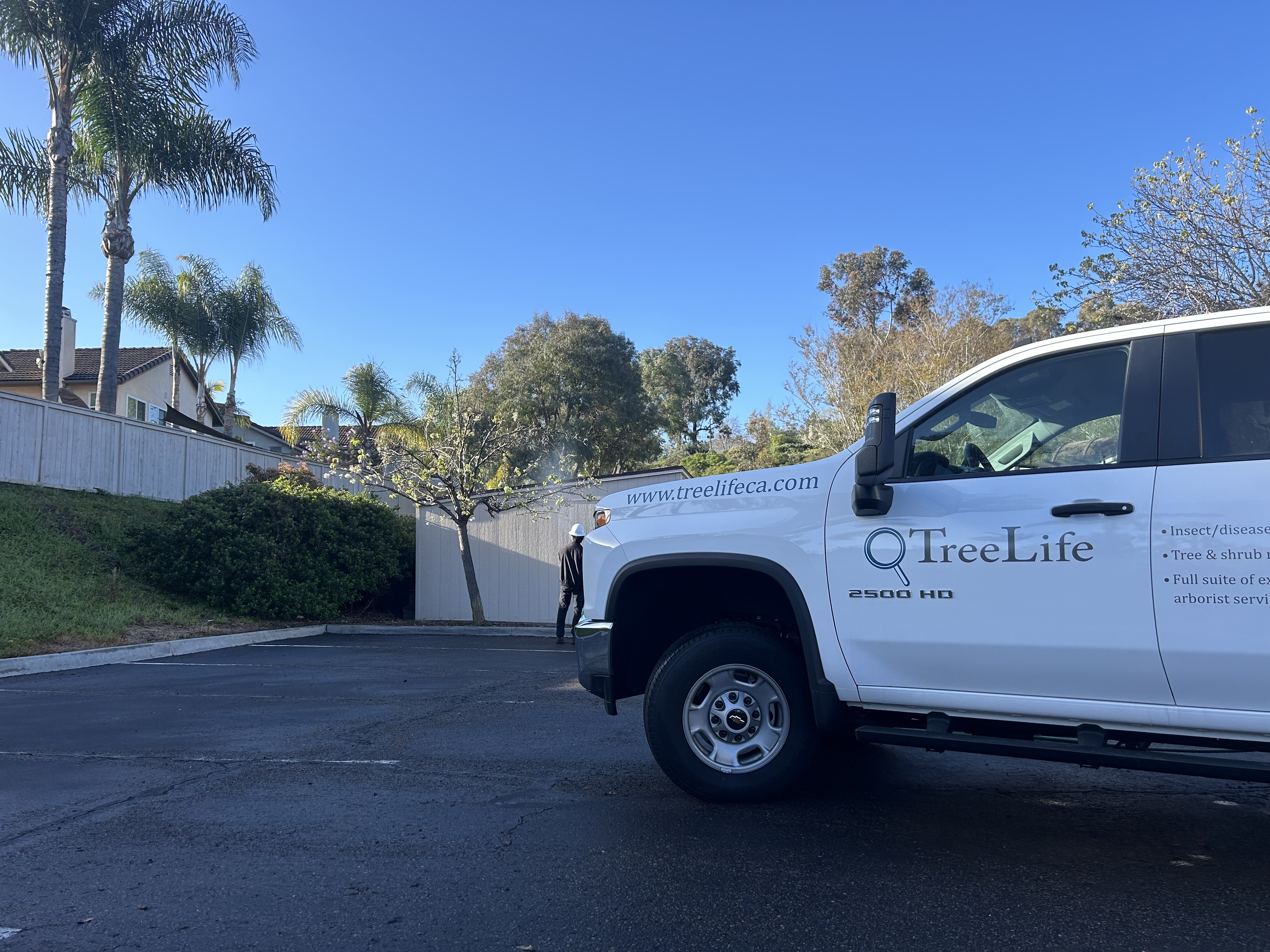
How HOAs Can Create a Tree Heat-Stress Reduction Plan
Trees are an essential part of residential communities. They provide shade, improve the appearance of shared spaces, and contribute to a more comfortable outdoor environment. But during periods of extreme heat, trees can experience significant stress that affects their health, growth, and long-term condition.
For homeowners associations (HOAs) and property managers, protecting community trees requires more than increasing irrigation when temperatures rise. A tree heat-stress reduction plan helps identify vulnerable trees, address environmental stressors, and establish a proactive approach to long-term tree health.
At TreeLife CA, our approach to tree health care focuses on understanding the conditions affecting trees and developing management strategies based on their individual needs.
Why Heat Stress Is a Concern for Community Trees
Southern California trees regularly face high temperatures, extended dry periods, and changing environmental conditions. Trees growing in urban and residential landscapes may experience additional stress from pavement, compacted soil, restricted root space, and inconsistent irrigation.
When temperatures rise, trees lose water through their leaves. If their roots cannot absorb enough water to compensate, they may begin experiencing water stress.
Over time, prolonged heat and water stress can contribute to:
- Wilting or curling leaves
- Leaf scorch and premature leaf drop
- Reduced growth and canopy thinning
- Branch dieback
- Increased vulnerability to certain pests and diseases
- Declining overall tree vitality
Not every tree responds to heat in the same way. Species, age, soil conditions, irrigation practices, and existing health problems can all influence how a tree responds to extreme temperatures.
For HOAs managing multiple trees across a property, identifying which trees are most vulnerable is an important first step.
What Is a Tree Heat-Stress Reduction Plan?
A tree heat-stress reduction plan is a proactive management strategy designed to reduce environmental stress and support tree health during periods of high temperatures.
Rather than responding to visible decline after it occurs, the plan establishes a systematic approach to identifying risks, prioritizing resources, and monitoring tree conditions.
For an HOA or property manager, a plan may include:
- Assessing tree health and identifying vulnerable trees
- Reviewing irrigation practices and soil moisture conditions
- Evaluating soil quality and root zone limitations
- Identifying opportunities to protect roots from disturbance
- Developing appropriate tree health care recommendations
- Establishing a monitoring schedule
- Prioritizing interventions based on tree condition and site needs
The objective is not to apply the same treatment to every tree. It is to understand the needs of the community's trees and determine which actions are appropriate for each situation.
Step 1: Identify Trees Most Vulnerable to Heat Stress
The first step is understanding the current condition of the trees across the property.
HOAs should pay particular attention to trees that are already declining, growing in restricted spaces, or exposed to challenging environmental conditions.
Potential warning signs include:
- Persistent leaf discoloration or scorching
- Premature leaf loss
- Reduced canopy density
- Dead or declining branches
- Poor growth
- Signs of pest activity
- Soil conditions that appear excessively dry or compacted
Trees near parking areas, paved walkways, buildings, and other heat-exposed locations may also require closer attention.
However, visible symptoms do not always reveal the underlying cause. Leaf discoloration, for example, may result from heat stress, irrigation problems, nutrient limitations, pests, or disease.
A professional tree assessment can help identify potential causes and determine which trees need additional attention.
Step 2: Evaluate Irrigation and Water Management
Water management is one of the most important components of reducing tree heat stress.
However, simply increasing watering frequency is not always the right solution. The appropriate irrigation strategy depends on the tree species, root zone, soil conditions, drainage, and environmental exposure.
HOAs and property managers should evaluate whether irrigation is reaching the areas where roots can absorb water and whether the soil is retaining moisture appropriately.
Important considerations include:
- Whether irrigation systems are functioning properly
- Whether water reaches the relevant root zone
- Whether the soil drains adequately
- Whether trees receive consistent, appropriate moisture
- Whether irrigation practices match the needs of different tree species
Both insufficient irrigation and poorly managed watering can contribute to tree stress.
Where appropriate, a professional arborist may recommend adjustments to irrigation practices or specialized watering methods based on the conditions of the site.
Step 3: Protect Soil Conditions and Tree Root Zones
Healthy roots are essential for helping trees access water and withstand environmental stress.
Unfortunately, residential communities can expose root zones to several challenges, including foot traffic, vehicles, construction, soil compaction, and limited planting space.
Compacted soil can restrict the movement of air and water through the soil, making it more difficult for roots to function effectively.
To support tree health, HOAs can consider:
- Limiting unnecessary traffic around sensitive root zones
- Preventing soil compaction near established trees
- Maintaining appropriate soil conditions
- Evaluating drainage problems
- Protecting roots during landscaping or construction projects
- Considering suitable mulch applications where appropriate
These actions should be tailored to the site and tree species. For example, mulch should be applied appropriately rather than piled against the trunk.
TreeLife's cultural modification approach considers environmental conditions such as soil quality, irrigation, and available root space when developing tree health strategies.
Step 4: Prioritize Trees and Allocate Resources
HOAs often manage large landscapes with different tree species, ages, conditions, and maintenance needs. Treating every tree as equally vulnerable may not be the most effective use of resources.
A professional assessment can help the association prioritize trees according to their condition, exposure, and management needs.
For example, a tree showing progressive canopy decline may require closer evaluation than a healthy tree with no visible symptoms. A mature tree near a frequently used common area may also warrant additional attention if there are concerns about its condition or structural stability.
Prioritization can help property managers determine:
- Which trees need immediate evaluation
- Which trees may benefit from irrigation adjustments
- Which areas require soil or root zone improvements
- Which trees need continued monitoring
- Where additional tree health care interventions may be appropriate
This creates a more organized approach to tree management and helps associations plan their budgets more effectively.
Step 5: Establish a Monitoring and Maintenance Schedule
A tree heat-stress reduction plan should not end once the initial recommendations have been implemented.
Tree conditions can change as temperatures, rainfall, irrigation, and site conditions change. Monitoring helps property managers identify new symptoms and evaluate whether the management strategy needs adjustment.
A monitoring program may include:
- Recording visible changes in tree condition
- Tracking recurring symptoms
- Documenting irrigation or soil improvements
- Scheduling follow-up assessments when appropriate
- Updating management recommendations based on observed changes
Keeping records also helps HOAs understand which interventions have been implemented and which trees require continued attention.
A proactive monitoring schedule can support better long-term decisions than relying exclusively on complaints or visible signs of severe decline.
How Professional Arborists Support HOA Tree Management
A professional arborist can help an HOA move from reactive maintenance to a more informed, proactive tree management strategy.
Depending on the property and its needs, an arborist may evaluate tree health, soil conditions, irrigation, root zones, pest activity, and other environmental factors.
The resulting recommendations can help the association understand the causes of tree stress, prioritize interventions, and determine an appropriate schedule for follow-up.
It is also important to distinguish between a tree health assessment and a tree risk assessment. A health assessment evaluates the tree's condition and vitality, while a risk assessment focuses on potential failure and the consequences if a tree or branch fails.
A tree showing heat stress does not automatically present a safety hazard. However, if there are concerns about dead branches, structural defects, or declining stability, a separate risk evaluation may be appropriate.
Building a Long-Term Tree Heat-Stress Reduction Strategy
For HOAs in Southern California, heat-stress management should be part of a broader tree health care program rather than a one-time response to hot weather.
A long-term strategy combines appropriate irrigation, root zone protection, soil management, professional assessment, and ongoing monitoring. It also recognizes that different trees may require different interventions.
By identifying vulnerable trees early and addressing the conditions contributing to stress, associations can make more informed decisions about landscape care and the long-term management of their tree populations.
At TreeLife CA, our tree health care and cultural modification services help property managers and communities evaluate tree conditions and develop strategies tailored to their landscapes.
Is Your HOA Prepared for the Next Heat Wave?
Heat stress can develop gradually, and visible symptoms may indicate that a tree has been struggling for some time. A proactive plan can help your association identify vulnerable trees, prioritize care, and make informed decisions about landscape management.
TreeLife CA provides professional tree assessments and tree health care services throughout San Diego County and Southern California.
Related Services
- Tree Health Care Services
- Tree Assessment Services
- Cultural Modification Plans
- Tree Nutrient Management
- Consulting Arborist Services
Request a Consultation
Managing trees across a residential community? Speak with a TreeLife CA arborist about evaluating your landscape and developing a tree health management strategy tailored to your property's needs.
Frequently Asked Questions About Tree Heat Stress
What is tree heat stress?
Tree heat stress occurs when high temperatures and related environmental conditions place pressure on a tree's ability to maintain normal functions. Water stress, soil conditions, and existing health problems can influence how severely a tree is affected.
How can an HOA reduce heat stress in community trees?
An HOA can identify vulnerable trees, evaluate irrigation practices, protect root zones, address soil limitations, and establish a monitoring schedule. Professional tree assessments can help determine which actions are appropriate for individual trees.
Does watering trees more often prevent heat stress?
Not necessarily. Irrigation needs depend on the tree species, soil, drainage, root zone, and weather conditions. Excessive or poorly managed watering can create additional problems, so irrigation should be adjusted according to site conditions.
Why is soil quality important during hot weather?
Healthy soil supports root function and helps regulate the availability of water and oxygen. Compacted soil or poor drainage can limit root performance and make it more difficult for a tree to access the resources it needs.
When should an HOA schedule a professional tree assessment?
An HOA should consider a professional assessment when trees show persistent leaf scorch, canopy thinning, premature leaf loss, branch dieback, or other unexplained changes. Assessments can also help associations establish proactive tree management plans before periods of extreme heat.
Can a tree health assessment identify safety risks?
A tree health assessment evaluates a tree's condition and vitality. If potential structural hazards are identified, a tree risk assessment may be recommended to evaluate the likelihood and consequences of failure.