Tree Assessment Cost: What Influences Pricing?
Understanding the cost of a tree assessment in San Diego is essential if you are dealing with construction planning, tree risk concerns, or property management decisions.
While many property owners search for a quick price, the reality is that tree assessments are highly variable and depend on several technical factors.
In this guide, we break down what you can expect to pay, what influences pricing, and why working with a certified consulting arborist makes a measurable difference.
What Is a Tree Assessment?
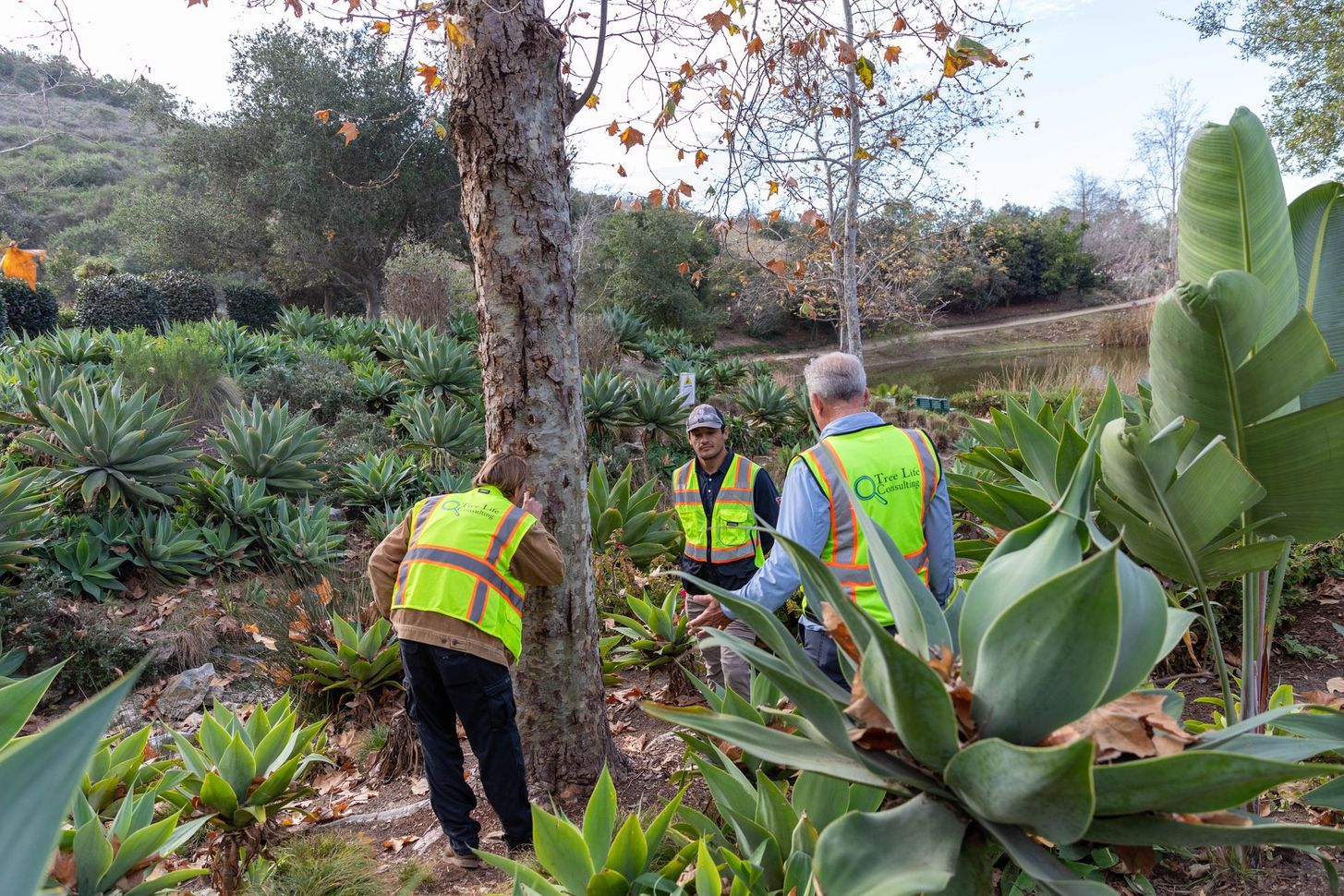
A tree assessment is a professional evaluation performed by a certified arborist to determine the health, structural integrity, and risk level of a tree.
This process goes beyond a visual check. It includes a systematic analysis of tree condition, environmental factors, and potential hazards.
Tree assessments are typically required for:
- Construction and development projects
- Insurance documentation
- Risk mitigation for property owners
- Tree preservation planning
Average Tree Assessment Cost in San Diego
The cost of a tree assessment in San Diego typically ranges between $250 and $1,500+, depending on the complexity of the project.
Key Factors That Affect Cost
1. Number of Trees
More trees require more time, documentation, and analysis.
2. Tree Size and Species
Large or structurally complex trees require deeper inspection.
3. Accessibility
Trees in hard-to-reach areas increase labor and time.
4. Type of Report Required
Basic assessments cost less than formal arborist reports used for legal or construction purposes.
Most residential tree assessments fall between $300 and $700, but projects involving construction or legal documentation are typically higher.
When Do You Actually Need a Tree Assessment?
Many property owners delay assessments until a problem appears. However, the most effective use of a tree assessment is preventive.
You should consider hiring a consulting arborist when:
- Planning construction near trees
- Noticing signs of decline or instability
- Managing liability risks on your property
- Preparing documentation for permits
Why Cheap Tree Assessments Can Cost You More
One of the most common mistakes is choosing the lowest-cost option.
Low-cost assessments often:
- Lack detailed analysis
- Are not performed by certified consulting arborists
- Do not meet legal or municipal requirements
This can lead to:
- Project delays
- Permit rejection
- Increased liability
A poorly done assessment can cost significantly more in delays and legal issues than the assessment itself.
What's Included in a Professional Tree Assessment?
A high-quality tree assessment should include:
Tree Health Evaluation
Analysis of canopy condition, leaf health, and vitality.
Structural Assessment
Inspection of trunk stability, branch structure, and failure risk.
Risk Analysis
Evaluation of potential hazards to people or property.
Recommendations
Clear, actionable next steps.
Tree Assessment vs. Arborist Report
While often confused, these are not the same.
- Tree Assessment = evaluation
- Arborist Report = formal documentation used for construction, legal, or compliance purposes
How TreeLife Performs Tree Assessments
TreeLife approaches tree assessments with a consulting-first methodology.
This means:
- Objective analysis
- No conflict of interest with trimming services
- Focus on long-term tree health and risk mitigation
Each assessment is tailored to the specific property, tree species, and project requirements.
Why Hiring a Certified Arborist Matters
Certified arborists bring:
- Technical expertise
- Industry standards compliance
- Reliable documentation
This is especially important in San Diego, where local regulations and environmental conditions directly impact tree management decisions.
Not all arborists provide consulting-level assessments. Choosing the right expertise is critical.
When to Contact a Certified Arborist
A professional tree assessment should be considered when you're planning construction near trees, noticing signs of decline or instability, managing potential property risks, or preparing documentation for permits.
TreeLife CA provides:
Our certified arborists work with residential, commercial, HOA, municipal, and development properties throughout Southern California.
Invest in Better Information About Your Trees
A tree assessment is not just a cost. It is a strategic investment in:
- Property safety
- Project efficiency
- Tree longevity
Choosing a qualified consulting arborist ensures that you get accurate, actionable insights that protect both your trees and your property.
Related Services
Request a Consultation
Speak with a certified arborist about your trees, property, or project requirements.
Frequently Asked Questions About Tree Assessment Costs
How much does a tree assessment cost in San Diego?
Tree assessment costs typically range between $250 and $1,500+, depending on the number of trees, tree size and species, accessibility, and the type of documentation required.
How much does a residential tree assessment cost?
Most residential tree assessments fall between $300 and $700, although more complex properties or projects may cost more.
What factors affect the cost of a tree assessment?
Pricing can depend on the number of trees, their size and species, accessibility, the complexity of the assessment, and whether formal documentation is required.
Is a tree assessment the same as an arborist report?
No. A tree assessment is the professional evaluation of the tree, while an arborist report provides formal documentation that may be required for construction, legal, permitting, or compliance purposes.
When should I schedule a tree assessment?
Consider scheduling an assessment when planning construction near trees, noticing signs of decline or instability, managing potential property risks, or preparing documentation for permits.