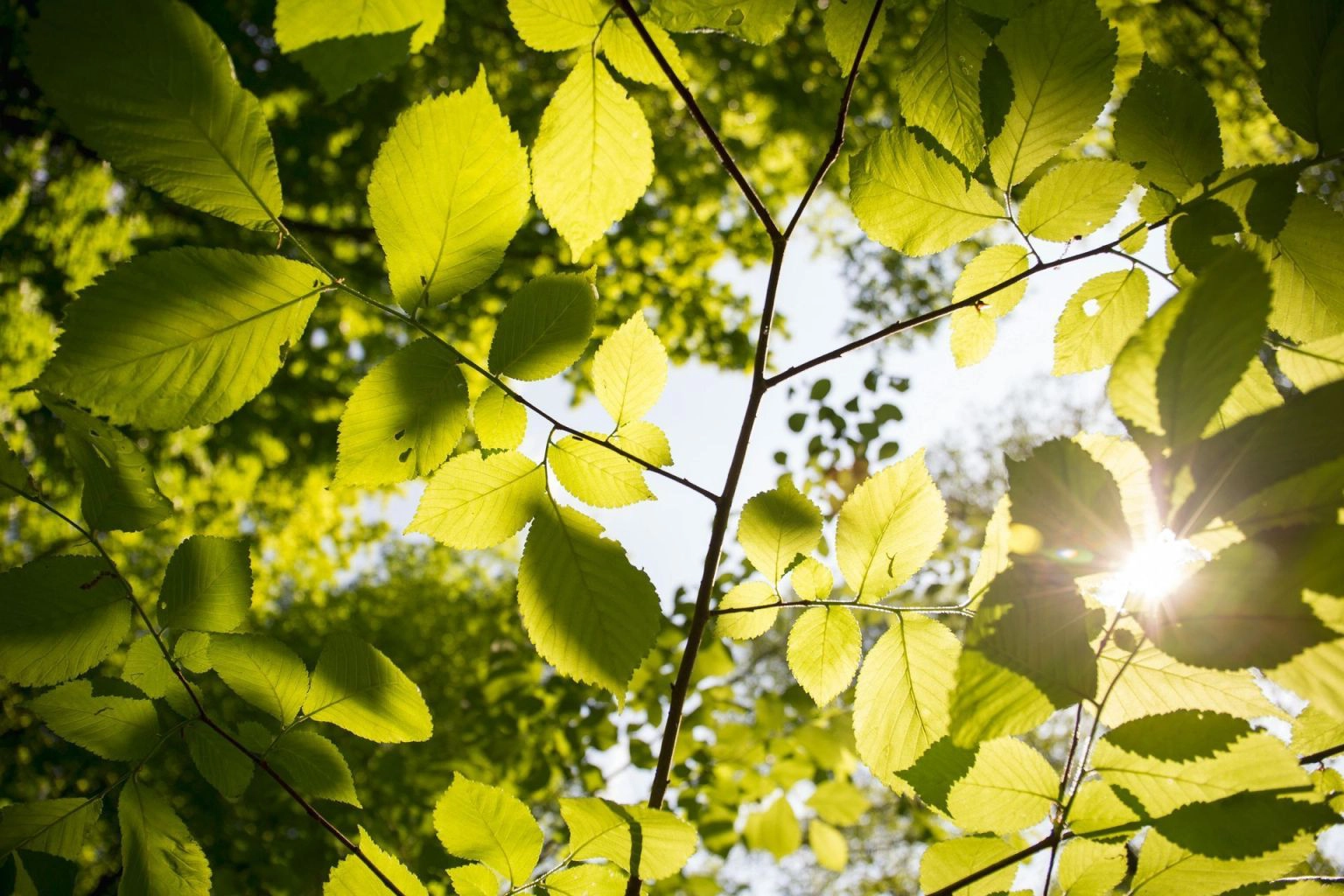
Many property owners only think about tree care when a tree begins showing obvious signs of decline. However, the most effective tree management strategies begin long before problems become visible.
Professional tree health care programs focus on prevention, monitoring, and long-term tree vitality. Rather than reacting to problems after they occur, proactive tree care helps identify and address issues before they impact tree health, safety, or landscape value.
At TreeLife CA, our certified arborists develop customized tree health care programs designed to support healthier, more resilient trees throughout Southern California.
What Is a Tree Health Care Program?
A tree health care program is a long-term management strategy designed to maintain and improve the health, structure, and longevity of trees.
Rather than focusing on a single issue, these programs evaluate all factors affecting tree performance, including:
- Soil conditions
- Root health
- Nutrient availability
- Irrigation practices
- Pest pressure
- Disease risk
- Environmental stress
- Site conditions
The goal is to create a customized plan that supports healthy growth while reducing the likelihood of future problems.
Why Proactive Tree Care Matters
Trees often experience stress long before symptoms become visible.
Environmental pressures such as drought, soil compaction, construction activity, and nutrient deficiencies can weaken trees gradually over time.
By the time canopy thinning, branch dieback, or decline becomes apparent, the underlying issue may have existed for years.
Proactive tree health care allows arborists to identify and address these concerns early.
The Difference Between Tree Maintenance and Tree Health Care
Many people assume tree maintenance and tree health care are the same thing. They are not.
Tree maintenance typically focuses on visible tasks such as:
- Pruning
- Cleanup
- Branch removal
- General landscape maintenance
Tree health care focuses on improving the biological and environmental conditions that influence tree health.
This includes diagnosis, monitoring, prevention, and customized treatment planning.
Key Components of a Tree Health Care Program
Every property is unique, but most programs include a combination of the following services.
Tree Health Assessments
Professional evaluations help identify current issues and establish a baseline for long-term management.
Nutrient Management
Customized nutrient plans help address deficiencies and support healthy growth.
Tree Pest Management
Monitoring and treatment strategies help protect trees from damaging insects and infestations.
Disease Monitoring
Early identification allows arborists to manage disease issues before significant damage occurs.
Cultural Modification
Improving irrigation, soil conditions, mulching practices, and root environments often leads to substantial improvements in tree health.
(Tree Nutrient Management Services)
Common Tree Health Challenges in Southern California
Trees throughout Southern California face unique environmental pressures.
Some of the most common challenges include:
- Extended drought conditions
- Soil compaction
- Limited rooting space
- Construction impacts
- Pest infestations
- Nutrient deficiencies
- Poor irrigation practices
- Heat stress
Professional management programs are designed to address these challenges proactively.
Who Benefits From a Tree Health Care Program?
Tree health care programs provide value for a wide range of property types.
Including:
- Residential properties
- Commercial landscapes
- Homeowners associations
- Municipal properties
- Educational campuses
- Development projects
Properties with mature or high-value trees often benefit the most from ongoing monitoring and management.
How Arborists Develop a Customized Tree Health Plan
Effective tree care starts with understanding the specific needs of each site.
TreeLife arborists evaluate:
- Tree species
- Age and condition
- Site characteristics
- Environmental pressures
- Current health concerns
- Long-term management goals
Based on this information, a customized strategy is developed to support tree vitality and reduce future risk.
(Consulting Arborist Services)
The Long-Term Benefits of Professional Tree Health Care
Investing in proactive tree care often provides significant long-term benefits.
These may include:
- Improved tree longevity
- Healthier canopy development
- Greater resistance to pests and disease
- Reduced risk of decline
- Lower long-term maintenance costs
- Enhanced property value
- Better overall landscape performance
Healthy trees contribute significantly to both environmental and property benefits.
When to Contact a Certified Arborist
If your trees are experiencing stress, declining health, pest activity, or unusual growth patterns, a professional evaluation can help determine the best course of action.
TreeLife CA provides:
- Tree Health Care Services
- Tree Assessment Services
- Tree Pest Control Services
- Consulting Arborist Services
Our team works with residential, commercial, municipal, and development clients throughout Southern California.
Protect Your Trees Before Problems Develop
The most successful tree care strategies focus on prevention rather than reaction.
TreeLife CA develops customized tree health care programs designed to improve tree vitality, reduce risk, and support long-term landscape success.
Related Services
- Tree Health Care Services
- Tree Assessment Services
- Tree Pest Control Services
- Consulting Arborist Services
Request a Consultation
Speak with a certified arborist about developing a customized tree health care program for your property.
Frequently Asked Questions About Tree Health Care Programs
What is included in a tree health care program?
Programs may include tree assessments, nutrient management, pest monitoring, disease management, cultural modifications, and long-term health planning.
How often should trees be evaluated?
The frequency depends on tree species, age, site conditions, and overall property goals. Many properties benefit from annual evaluations.
Can proactive tree care prevent tree decline?
While no program can eliminate every risk, proactive care can significantly reduce many common causes of tree decline.
Do mature trees benefit from tree health care programs?
Yes. Mature trees often provide the greatest value and may benefit significantly from ongoing monitoring and management.
When should I start a tree health care program?
The best time is before visible problems develop. Early intervention generally provides the most effective long-term results.